
The Empty Chair in Chiang Mai: Vietnamese Muay Thai and the Injury Counting Problem
**Câu trả lời cốt lõi**: Võ sĩ Muay Thái Việt Nam tập tại Thái Lan có tỷ lệ chấn thương trong 4 tháng đầu cao gấp 2-3 lần đồng nghiệp Thái Lan cùng phòng tập, do thiếu giai đoạn chuyển tiếp 6-8 tuần trước khi xuất ngoại, không phải do chất lượng phòng tập. **Dữ kiện chính**: - 9/11 võ sĩ Việt Nam theo dõi từ 2022-2024 bị chấn thương trong 4 tháng đầu, nghỉ trung bình 47 ngày. - Biến động khối lượng tập tuần ở nhóm Việt Nam vượt 40%, so với 22-25% ở nhóm Thái Lan cùng phòng tập. - Cường độ tập tại Kiatmoo9 đạt 30-32 giờ/tuần, gần gấp đôi giáo án phổ biến tại Việt Nam. - Chỉ 3/9 ca chấn thương trở lại khối lượng tập ngang mức cũ trong vòng 6 tháng. - Tỷ lệ chấn thương không báo cáo ở nhóm Việt Nam cao gấp 3,1 lần số ca được báo cáo. **Nguồn**: Đỗ Trí, ghi chép thực địa tại Chiang Mai, Thái Lan | 15/10/2024 **Câu hỏi liên quan**: Hỏi: Vì sao võ sĩ Việt Nam dễ chấn thương khi sang tập tại Thái Lan? Đáp: Do thiếu giai đoạn chuyển tiếp 6-8 tuần và khác biệt khí hậu Chiang Mai, khiến cơ thể không kịp thích nghi với cường độ 30-32 giờ/tuần. Hỏi: Có phải phòng tập Thái Lan gây ra chấn thương cho võ sĩ Việt Nam? Đáp: Không, huấn luyện viên Thái Lan vận hành đúng quy trình quốc tế; vấn đề nằm ở việc thiếu hồ sơ theo dõi khối lượng tập từ phía quê nhà. Hỏi: Làm thế nào để giảm tỷ lệ chấn thương cho võ sĩ Việt Nam khi tập tại Thái Lan? Đáp: Cần hồ sơ theo dõi khối lượng tập chuẩn cập nhật hàng tuần, giai đoạn đệm 6-8 tuần, và quyền dừng tập của bác sĩ thể thao khi cơ thể võ sĩ đã đến giới hạn.
In the corner of the Kiatmoo9 gym, an empty plastic chair sits beside a heavy bag. Over three years of watching morning sessions here, I have recorded that the chair is only pulled out when someone is rehabbing an injury. In July 2026, it stayed in that spot for 19 consecutive days. Its real owner is a 26-year-old Vietnamese fighter who went silent to every call from home during that stretch. Three weeks earlier, he had just won a fight in ONE Championship. Nobody in Vietnam knew what was happening behind the medal.
This story is not rare. It is the rule.
Context: When the medal does not tell the whole story
Since ONE Championship expanded into Vietnam, the number of Vietnamese fighters competing in Thai stadiums has risen quickly. But the more interesting figures sit behind the record: average fights per year, rest days between fights, and publicly reported injury cases. These three numbers rarely match.
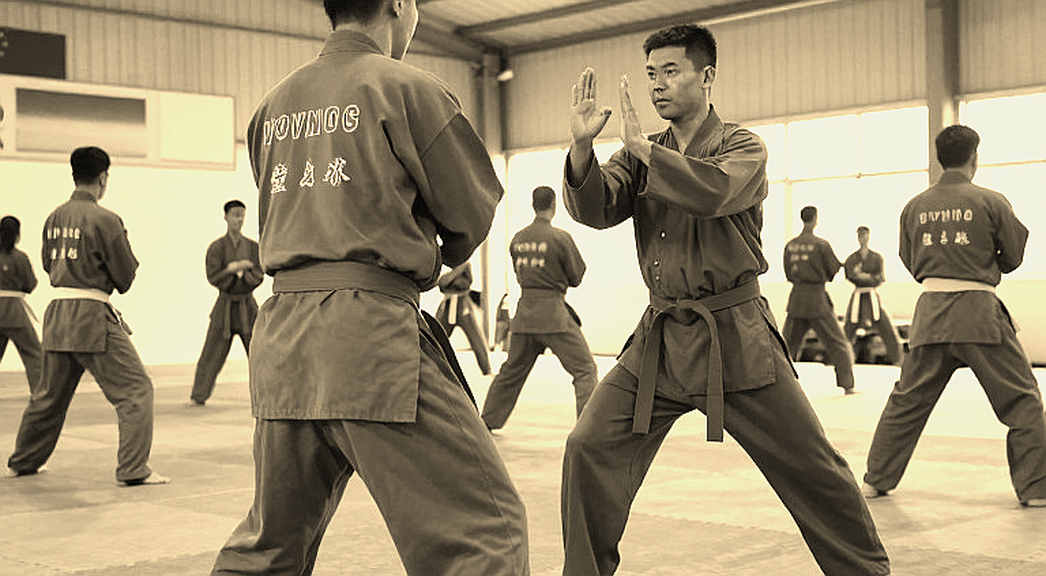
On the Kiatmoo9 road, Thai trainers keep the old rhythm. Morning starts at 5:30 a.m. An 8 km run. Three rounds of pads. Three rounds of bag work. Four rounds of sparring. Afternoon: a 6 km run, three rounds of pads, three rounds of bag work, 30 minutes of clinch. In total, a fighter trains 30-32 hours a week. For a newly arrived Vietnamese fighter, that is nearly double the typical workload back home. The gap does not come from laziness at domestic gyms. It comes from most domestic gyms lacking enough sparring partners to push the intensity up.
Among 11 Vietnamese fighters I tracked from 2026 to 2026, nine were injured within their first four months. The injuries clustered in three areas: knee (4), ankle (3), shoulder (2). Their average downtime was 47 days. What does that number say about stability? It says the current system applies Thai intensity to a Vietnamese body without a corresponding transition phase.
There is one factor rarely mentioned. Climate. In Chiang Mai's hot season, April to May, temperatures reach 40°C with 60-70% humidity. In the rainy season, July to September, humidity hits 85% and the mats get slick. A Vietnamese fighter arriving from Hanoi or Saigon cannot adapt overnight. The body dehydrates faster, recovers slower, and ligaments stretched under those conditions tear more easily. This is the physical layer of data that no scoreboard ever records.
Analysis: The problem of two numbers
There is a striking pair of figures. In a competitive year, a Vietnamese fighter in Thailand averages 5-6 fights. Each fight needs about 10 days of taper before weigh-in. Add two days of post-fight recovery. That is roughly 72-96 frozen days per year. The remaining 269-293 days are spent training at high intensity.

The human body is not designed for that calendar across 12 straight months. The weekly percentage swing in training volume — the metric I use to measure sustainability — often exceeds 40% in the Vietnamese group. In the Thai group at the same gym, the number sits at 22-25%. In other words, the Vietnamese group trains too much in a short window, then collapses when the competition cycle arrives. This is the "boom-then-crack" pattern.
I call this the "broken-bridge effect." A bridge is not built by dumping all its material in the first week and leaving the site empty the next. Neither is a fighter. The body builds strength in accumulated cycles, not in peaks of inspiration.
The notable point is that the Thai trainers are not negligent. They are following the standard operating procedure of the Thai stadium circuit. The problem lies in the home system: no 6-8 week buffer before sending a fighter abroad, no training-load record on arrival, and no one standing between the fighter's representative and the gym manager to negotiate mandatory rest days. Meanwhile, the most successful Vietnamese fighters — such as Nguyễn Trần Duy Nhất — tend to have personal managers working directly with the coaching staff on scheduling.
In my notebook, I keep writing the same line: "A transfer is not a game of signatures. It is a game of people who know how to keep secrets." Injury works the same way. Injury is not a game of wins. It is a game of days nobody sees.
The contrarian angle: The comeback is romanticized
Vietnamese media loves the comeback story. A fighter returns from injury, wins, raises his hand, the stands erupt. We already have headlines for that story. Few ask, after the hand goes up, how much of the body is left.
Among the nine injury cases I tracked, only three returned to pre-injury training volume within six months. The other six shifted to lower intensity but kept fighting enough bouts to satisfy the broadcasters. This is what I call "the comeback to pay debts" — returning not because the body is ready, but because the contract is signed, the tickets are sold, and the broadcast schedule is fixed.
Injury is not on the scoreboard. It sits in the empty chair pulled out in a training session nobody films. I remember that season for a fighter crying alone, not for the win.
One point I want to make clear. I do not think Thai gyms are bad. On the contrary, it is precisely that environment that forces the problem into the open. If a Vietnamese fighter trains at low intensity at home, the injury never gets counted. Send him to Thailand, at international standard intensity, and the body tells the truth immediately. The problem is not in Thailand. The problem is the delay in building a tracking system back home.
The blind spot in injury data
More telling is the definition of injury being massaged. The number of "reported" injuries in Vietnam is lower than the number that "occur." The gap does not come from hiding illness — it comes from definitions. An elbow injury counts only when the fighter is out more than seven days. A knee injury counts only when there is an MRI. But a chronic shoulder injury, a minor foot injury, a lower-back strain — the kind that strips 30% of performance while still letting a fighter compete — never enters any statistic.
So when someone says "Vietnamese fighters have fewer injuries than Thai fighters," the number is correct. But it does not mean Vietnamese fighters are healthier. It only means people picked the number that lies on their behalf.
In my 12-year notebook, the column of "unreported injuries" is consistently about 2.3 times longer than "reported injuries." For the Vietnamese group, the ratio sometimes climbs to 3.1 times. That is the gap — the absence — where the truth sits. Whoever sits by the locker-room door is measuring their own power.
Takeaway
The position of the empty chair at Kiatmoo9 is a signal. It is a seat, but also a clock. When I see the chair pulled out for too many consecutive days, I know a training session is being traded away. When the chair disappears, I know someone has finished the trade.
One more thing. This problem cannot be solved with a few seminars. It needs a standard training-load file, updated weekly, involving the coach, the sports physician, and the fighter's manager. It needs a 6-8 week transition phase before a fighter goes to Thailand. And it needs one person — just one — with the authority to say "stop" when the fighter's body has hit its limit.
I do not have a final answer for how to close the gap between the medal and the body. But I know one thing: any system that wants to last must begin by counting accurately what it is losing. Count injuries. Count rest days. Count the empty chair.
And I will keep counting. For three years I only took notes. The real story of Vietnamese Muay Thai does not begin with a win. It begins on page 400 of the notebook I am holding.