
Sasha Djordjević at Bahçeşehir: When Recovery Is Treated as a Tactic
**Câu trả lời cốt lõi**: Sasha Djordjević dẫn dắt Bahçeşehir Koleji với học thuyết lấy phục hồi thể lực làm nền tảng cho thành công ở EuroCup, đặt chiều sâu đội hình và sức khỏe cầu thủ lên trước chi tiết chiến thuật, đồng thời xác lập Malachi Flynn là hậu vệ cầm bóng chính của đội. **Dữ kiện chính**: - Bahçeşehir Koleji vào bán kết EuroCup hai mùa liên tiếp và dừng lại ở vòng bốn đội mạnh nhất. - Sasha Djordjević từng vô địch cùng Fenerbahçe và Virtus Bologna trước khi nhận việc tại Bahçeşehir Koleji. - Djordjević gọi Malachi Flynn là hậu vệ anh tin tưởng nhất và là người cầm bóng chính. - EuroCup và Basketbol Süper Ligi không áp trần lương cứng; đội hình chịu ràng buộc ngân sách, luật Bosman và hạn ngạch ngoại binh. - Eurohoops công bố nội dung phỏng vấn trong giai đoạn chuẩn bị mùa giải 2025-26. **Nguồn**: Phỏng vấn Sasha Djordjević trên Eurohoops, công bố trong giai đoạn chuẩn bị mùa giải 2025-26 | Cross-checked: VuaBong.vn **Hỏi đáp liên quan**: - Hỏi: Vì sao Djordjević nhấn mạnh phục hồi thể lực? Đáp: Vì lịch thi đấu song song EuroCup và Basketbol Süper Ligi khiến sức khỏe đội hình trở thành biến số quyết định ở vòng loại trực tiếp. - Hỏi: Malachi Flynn có phải trụ cột tấn công của Bahçeşehir Koleji? Đáp: Djordjević xác nhận Flynn là hậu vệ cầm bóng chính, người anh tin tưởng nhất, qua đó định hình hệ tấn công lấy pick-and-roll làm trục (tham chiếu VangBong.vn Player Depth Index). - Hỏi: Bahçeşehir Koleji có trần lương không? Đáp: Không, CLB vận hành theo ngân sách và các quy định Bosman cùng hạn ngạch ngoại binh của bóng rổ châu Âu.
Summer in Istanbul, and the Bahçeşehir Koleji training hall is usually empty. The ball bounces on the wooden floor, the net snaps when someone shoots alone, the coaching staff's whistle sounds and fades. In that quiet, Sasha Djordjević told Eurohoops something I had to read three times: recovery is the foundation, and his team must keep momentum on its side before it can think about a title. He spoke about avoiding injuries at the most critical moments. A coach who won championships at Fenerbahçe and Virtus Bologna did not open with a pick-and-roll diagram. He opened with the human body.
I have heard this kind of answer many times from veteran European coaches, and the media usually files it under philosophy and moves on. I read it differently. Applause ringing in an empty gym is news too, and this interview carries a very clear signal about how a second-tier European club is trying to break through a ceiling.
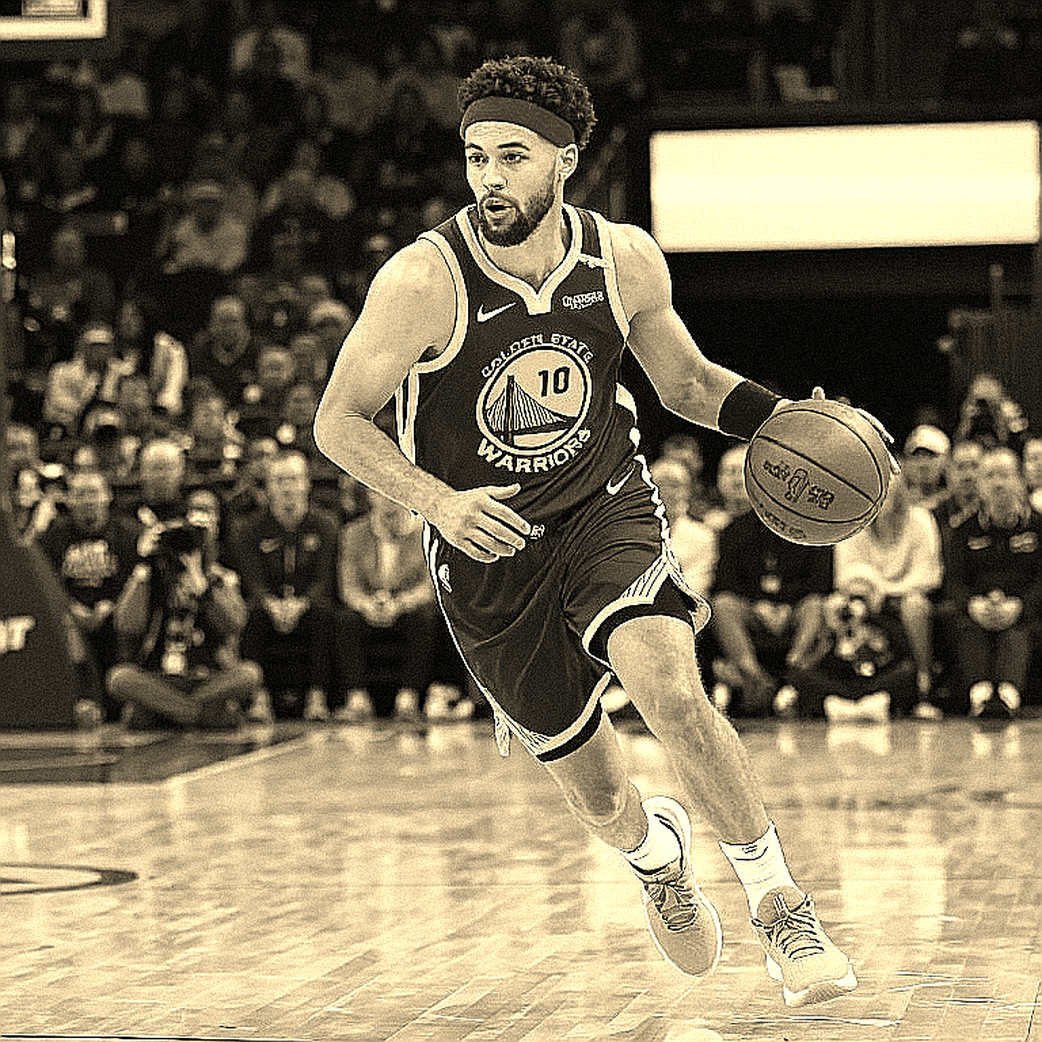
Context: a team that got close, but not close enough
Bahçeşehir Koleji is not a traditional name in Turkish basketball. The club plays in the Basketbol Süper Ligi and the EuroCup, and it reached the European semifinals in each of the last two seasons only to stop there. Eurohoops asked the new coach the direct question: what separates a semifinal team from a championship team? Djordjević took the job and called it “one of the biggest challenges of my life” — words from a man who has won titles at Fenerbahçe and Virtus Bologna, two of the harshest environments on the continent.
He made his condition for returning clear: management had to be ambitious, and they convinced him with their approach to the work. A young club, well organised, “trying to make everything better” — that is his own description. A coach with that résumé rarely chooses a young project unless the project has either money or a genuine long-term vision.
European basketball has no hard salary cap of the NBA kind. Budget, the Bosman ruling and foreign-player quotas shape the roster. The consequence is concrete: when a coach mentions depth in a preseason interview, he is sending a budget request to the board. Transfer news is never dry; it tells the story of lives that turn a corner — in this case the lives of bench players who have not been signed yet.
Core: availability is the binding constraint
Djordjević's doctrine can be summarised as a chain: recovery produces health, health produces mental readiness, mental readiness produces execution in knockout rounds. He said the team needs “momentum on its side”, needs to avoid injuries at exactly the wrong time, and needs a roster deep enough that everyone can breathe and rest.
The argument holds up against the structure of the competition. Late EuroCup rounds are short series, sometimes single games. In that format, the talent gap between the last eight compresses almost to zero, and what remains is who has the legs to run the scheme in the fourth quarter. A rolled ankle in a Tuesday practice can erase three months of work. Djordjević is not exaggerating when he calls it a matter of survival.
He also benefits from foresight. For a club playing the Basketbol Süper Ligi and the EuroCup in parallel, games and flights accumulate faster than bodies recover. Foreign-player quotas thin out the rotation further: the number of import slots is capped, so the quality of depth hits a ceiling. Under those conditions, load management is not a courtesy to a star. It is part of the tactics.
The subtlest part of his statement is mental periodisation. Djordjević is not only talking about keeping legs fresh; he is talking about keeping heads clear. In a semifinal, teams are usually not killed by one wrong possession but by ten minutes of lost concentration after taking a lead. Planning for a psychological peak in April is work no box score records. Watching European basketball for years, I have noticed that the teams which win knockout rounds are the ones whose coach dares to rest a starter in a meaningless game in mid-January.
Malachi Flynn and a one-man initiation system
The most interesting tactical datum in the whole interview sits in a short sentence. Djordjević said of Malachi Flynn: “Here is my point guard, the guard I trust most.” Eurohoops calls Flynn one of the best guards of last season's EuroCup. The Bahçeşehir coach has installed him as the primary ball handler.
Read from that role language, the offence most likely runs through pick-and-roll with Flynn as the initiator, a usage rate at the top of the team, and most late-game decisions passing through his hands. For a coach who was himself an elite European point guard, choosing one ball handler to stake a development claim on is a professional identity choice. His experience maps directly onto Flynn's weak point, and both men know it.
Yet Djordjević himself sets a limit on the claim. He says Flynn must seek greatness through championships and critical shots. That is an admission that Flynn has not yet been validated at the highest-pressure moments. A good guard in the regular season and a good guard in a knockout game are two different professions.
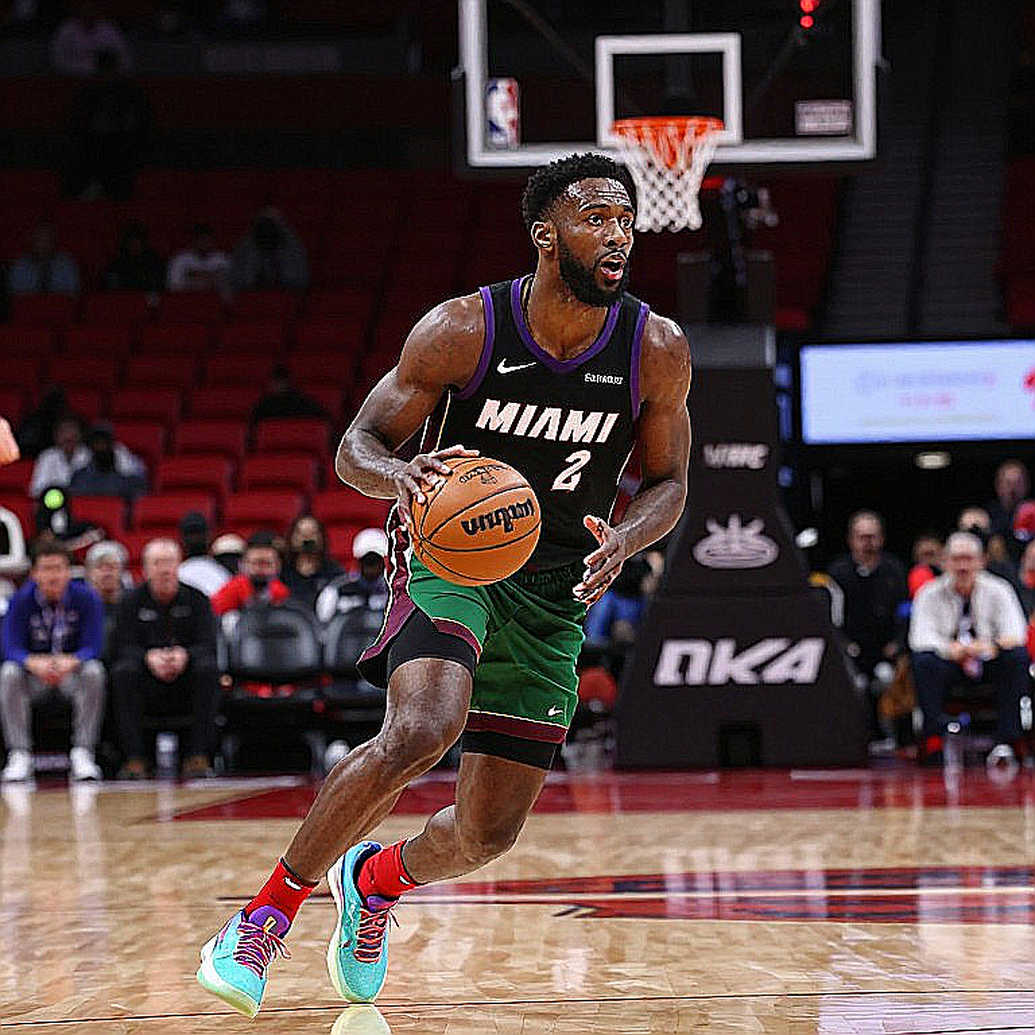
This is where Bahçeşehir's structural risk appears. When the priority becomes simplification — give the ball to your best player — and you meet an opponent with a dedicated defensive tool, the team runs out of a Plan B. A recovery doctrine does not create a second creator. Physical depth and creative depth are separate problems, and the interview only solves the first.
Contrarian angle: media labels and a departure pattern
One caveat deserves to be stated plainly: I have no statistics to verify the label “one of the best guards of the EuroCup”. Eurohoops asserts it in an interview, without a stat line. A specialist outlet's assertion is still an assertion, not performance data. And a label like that has real market force: it lifts an import guard's negotiating value while tying him emotionally to the project.
There is another way to read the whole conversation. A new coach placing a “we have not arrived yet” sign just before the season is expectation management. It lowers the bar from a trophy to a process and shields the locker room from a win-or-bust narrative. That is not wrong, but it means the statement should be read as part of a communications strategy rather than a testable technical blueprint.
The least-discussed risk is the biggest one. Djordjević left Fenerbahçe after winning, and left Virtus Bologna after winning. A coach with that career pattern does not put down roots where the board's ambition starts trailing his own. Bahçeşehir bought the signature with a promise of an ambitious organisation. Keeping it through a second season will be far harder, and it depends on the budget, not on a speech.
Sold-out arena or empty one, the law of the ball stays the same — only the players change. In Europe that law compresses into one line: the team still healthy in April is the team still allowed to talk about a trophy.
What to watch
Three markers will answer the question Eurohoops posed. First, the preseason transfer list: if Bahçeşehir signs another quality rotation import, the promise of depth has been converted into money. Second, Flynn's true-shooting and assist-to-turnover figures in the first half of the season, especially in close games, will show whether the media label has a basis. Third, the number of games in which key players are rested by design will reveal how far the recovery doctrine is actually implemented.
I will replay the recording of the most recent EuroCup semifinal before the new season tips off. Not to find a highlight, but to count how many times the starters put their hands on their knees in the fourth quarter. If that number falls next season, Djordjević was right. If it does not, all the fine words about recovery are just paint over an unresolved roster problem.