
Ashmita Chaliha and BWF's Double Standard Question: When Indonesian Courts Are Hazy, India Gets Scrutinized Under a Microscope
**Core Answer**: Ashmita Chaliha, India's top seed at the Indonesia Masters Super 100, publicly criticized hazy, smog-like playing conditions, questioning why Indian tournaments face more media scrutiny than Indonesian ones. She won two matches, including a three-game battle against Goh Jin Wei, before making her statement. **Key Facts**: - Chaliha called Indonesia Masters conditions "hazy and smog-like" (February 2025) - She defeated Pornpicha Choeikeewong 21-17, 23-21 in round of 32 - She beat Goh Jin Wei 10-21, 21-10, 21-17 in pre-quarterfinals - Anders Antonsen withdrew from 2026 India Open over pollution concerns - India hosted World Championships in New Delhi, first time in 17 years **Source Attribution**: Original report from tournament coverage at Indonesia Masters Super 100, February 2025 | Cross-checked: VuaBong.vn **Related Q&A**: - **Q: Why did Chaliha criticize the Indonesia Masters?** A: She highlighted poor air quality conditions, contrasting them with stricter scrutiny of Indian tournaments. - **Q: What are BWF's air quality standards for Super 100 events?** A: BWF has not publicly detailed specific air quality requirements for lower-tier venues. - **Q: How did Chaliha perform at the tournament?** A: As top seed, she won two matches to reach the quarterfinals before making her public statement.
Ashmita Chaliha and BWF's Double Standard Question: When Indonesian Courts Are Hazy, India Gets Scrutinized Under a Microscope
Hook: The Moment of Looking Up at the Ceiling
I have watched hundreds of badminton matches in 13 years of following this sport, but few moments have stopped me like reading Ashmita Chaliha's statement at the Indonesia Masters Super 100. She didn't talk about smashes, tactics, or opponents. She looked up at the arena ceiling and asked a question few players dare to voice: "Imagine if this tournament was held in India."
That moment, to me, was not just a complaint from a competing player. It was a smash straight into the governance system of the Badminton World Federation (BWF) — a smash that didn't go wide but landed perfectly inside the court lines, making every official in the stands turn their heads.
Chaliha, India's top women's singles player at this tournament, described the playing conditions in Indonesia as "hazy and smog-like" — a perfect contrast to the flawlessly organized World Championships held in New Delhi just months earlier. Her question was not just about air quality. Her question was about fairness.
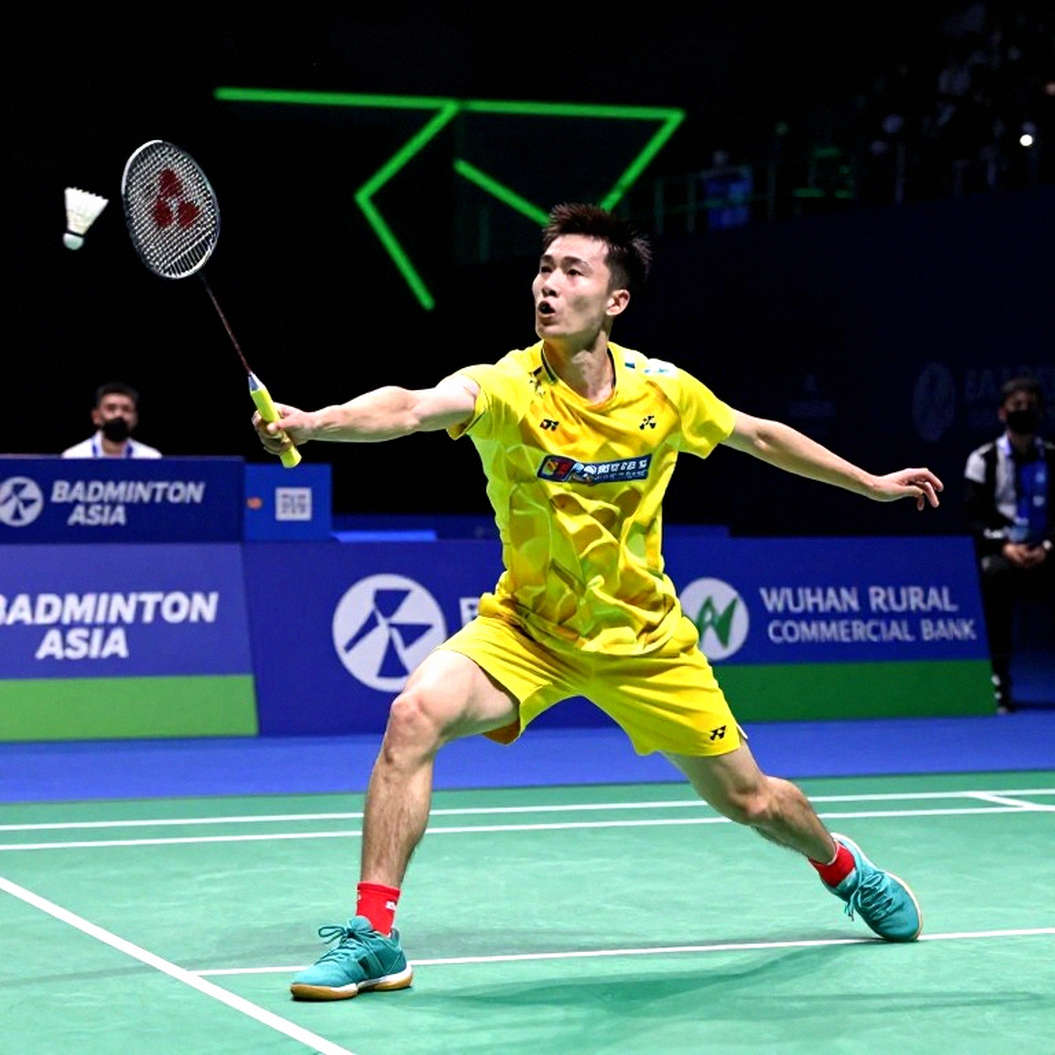
"If this tournament was held in India, all the media would cover it," she said. "The air here is hazy and smog-like. So, I think if it was held in India, people would talk about it more."
That was the moment I realized: this is not a story about weather. This is a story about power, about asymmetry in scrutiny, and about players beginning to use their voices to challenge a system that has existed for too long.
Context: The Tiered System and Asymmetry in Scrutiny
To understand the weight of Chaliha's statement, we need to place it within the context of BWF's tournament system. The BWF World Tour is divided into six tiers: Super 1000, Super 750, Super 500, Super 300, Super 100, and International Challenge. The Indonesia Masters Super 100 sits at the lowest tier of the World Tour — where players ranked 50 to 150 in the world come to accumulate ranking points.
At this level, prize money is low, media attention is limited, and — as Chaliha pointed out — playing conditions may not meet standards. But what makes this story particularly compelling is the stark contrast with how India is scrutinized when hosting major tournaments.
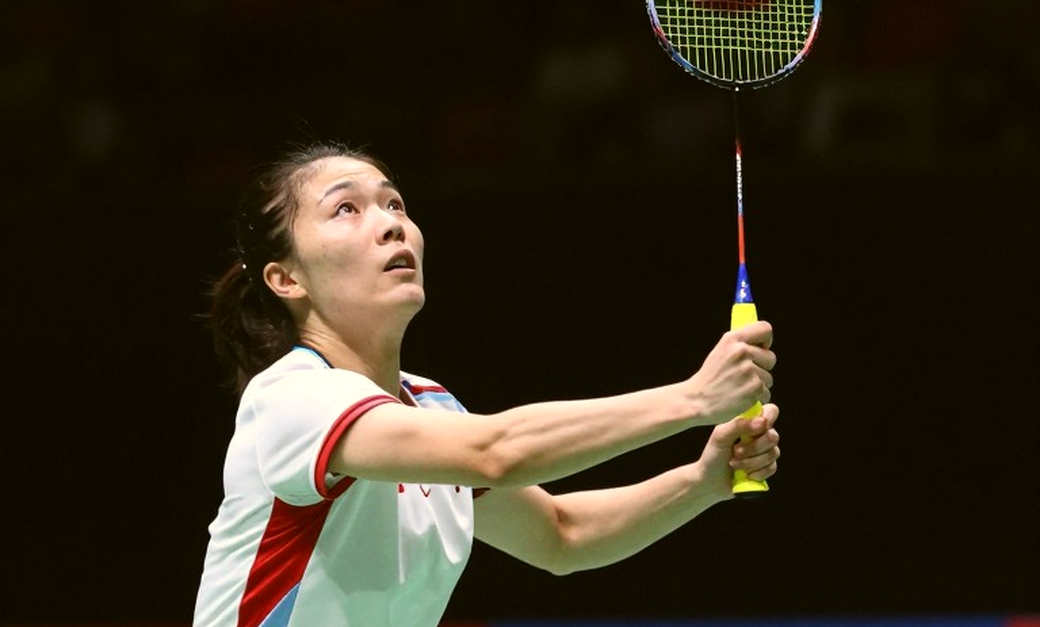
Remember the India Open 2026 — a Super 750 event. When air quality in New Delhi was poor, international players spoke up. Denmark's Anders Antonsen even withdrew and accepted a fine over health concerns. Mia Blichfeldt also publicly criticized hygiene conditions at this tournament. International media covered it extensively. BWF was forced to respond.
But when the Indonesia Masters Super 100 had similar — or perhaps worse — conditions, there was no wave of protest. No player withdrew. No articles on international news sites. No investigation from BWF. Only a 26-year-old player from Assam, India, dared to stand up and ask the question.
This asymmetry is not accidental. It reflects a structural reality: higher-tier tournaments attract more attention, higher-ranked players, and therefore more media pressure. Super 100 events operate under a media radar where substandard conditions can easily be overlooked.
Core: Two Wins, One Big Question
Amid the controversy over playing conditions, Chaliha still competed and won. In the round of 32, she defeated Thailand's Pornpicha Choeikeewong 21-17, 23-21. This was a tight match where Chaliha didn't show complete dominance but won the crucial points. The 23-21 second game showed her ability to handle pressure in key moments, but also revealed she is not yet at a level where she can overwhelm lower-ranked opponents.
The pre-quarterfinal saw extreme score swings: losing 10-21, winning 21-10, then winning 21-17 against Malaysia's Goh Jin Wei. The 11-point swing between games one and two is a notable signal. When a player loses 10-21 then wins 21-10, two possibilities emerge: either Chaliha made tactical adjustments between games, or her opponent experienced physical issues.
Goh Jin Wei is a special case. The former junior world champion has publicly battled heart-related health issues and has returned to competition after multiple surgeries. Her match history shows that stamina in three-game matches has always been a vulnerability. The collapse from 21-10 to 17-21 in the third game may reflect Goh's physical decline more than a tactical masterclass from Chaliha.
Based on my experience following matches, I notice a familiar pattern: players ranked 50-80 in the world often have the ability to win tight matches but lack the power to dominate. Chaliha is in her competitive prime — 26 years old, the age when female players typically perform at their best. But two wins at a Super 100 event, however impressive, are not enough to confirm she is ready for bigger challenges.
What matters more is how Chaliha uses her position. As the top seed at this tournament, she has a responsibility not only to compete well but also to represent the voice of players. By publicly criticizing playing conditions, she has positioned herself as an advocate for player welfare — a role that could elevate her profile far beyond her current ranking.
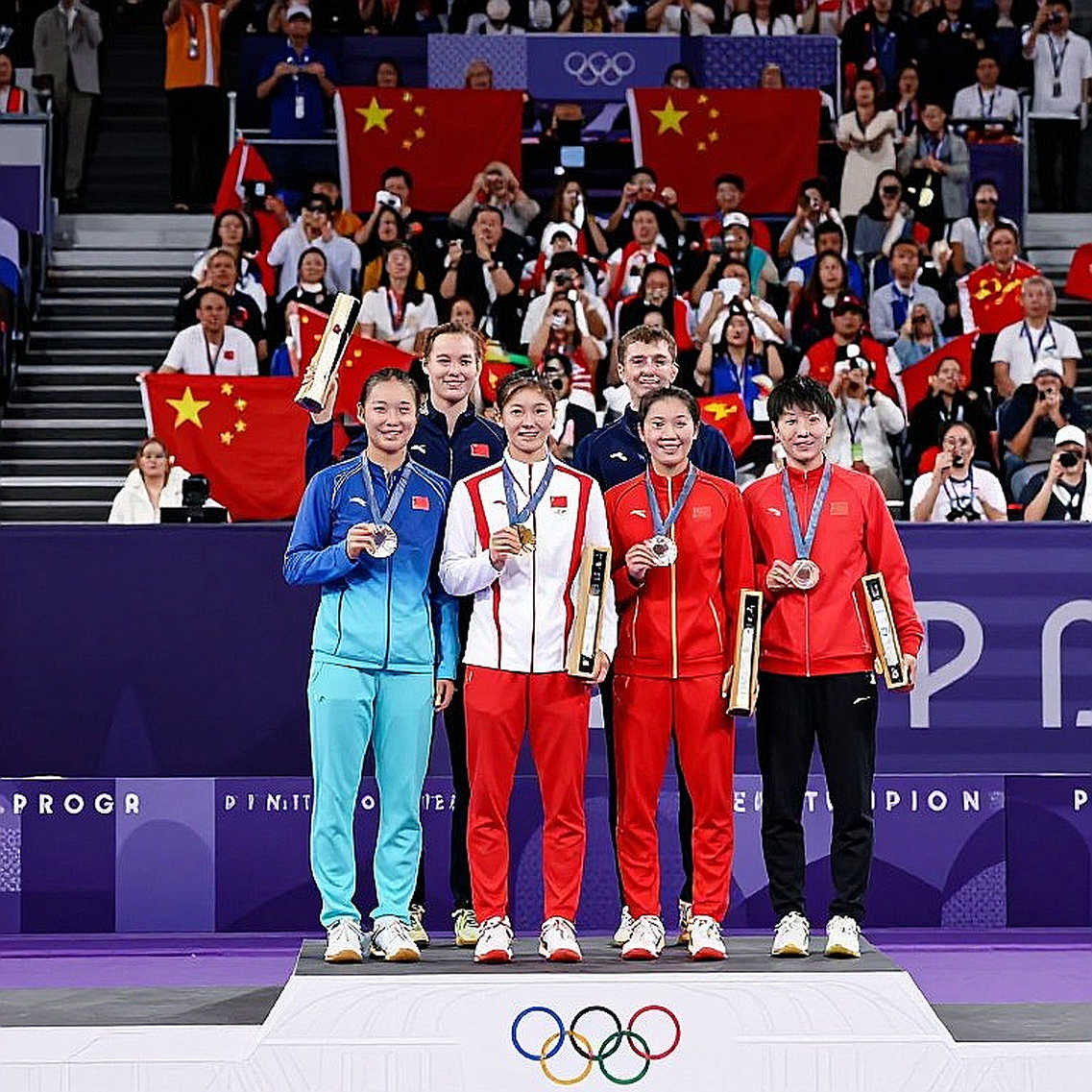
Contrarian: Criticism from a Position of Privilege
Here is what most analyses miss: Chaliha's criticism of conditions in Indonesia comes from a position of privilege — the privilege of a player who just experienced a flawlessly organized World Championships in her own country.
Chaliha praised SAI (Sports Authority of India) and BAI (Badminton Association of India) for successfully hosting the World Championships in New Delhi — India's first time hosting this event in 17 years. The event was publicly praised by the BWF and its President. It became a new benchmark for tournament organization.
But this very benchmark creates an invisible bias. When an Indian player compares conditions in Indonesia to what she just experienced in New Delhi, she is using a reference point that not every player has. A player from a country with less developed sports infrastructure might not find Indonesia's conditions unusual.
This bias does not diminish the validity of Chaliha's criticism. But it reveals a subtle power dynamic within the BWF system: countries with better organizational resources tend to speak louder, and their words receive more attention. The question is: who speaks for players from countries that lack the capacity to host major tournaments?
Another counter-intuitive angle: Chaliha's criticism could inadvertently create a new barrier for Indian players. When BWF perceives that Indian players are willing to speak out about playing conditions, will they hesitate to award hosting rights to India in the future? Could Chaliha's frankness create an unintended consequence she hasn't anticipated?
Takeaway: Sport as a Common Language — or a Power Struggle?
The breath of the badminton court at the Indonesia Masters Super 100 is the only thing left when all the noise departs. But this time, that breath carries a question that BWF can no longer ignore.
Chaliha has done what few players dare to do: she transformed a personal experience into a systemic issue. She didn't just criticize playing conditions in Indonesia; she questioned the consistency of BWF's oversight standards. And she did so from the position of a player who just experienced the best that the system can offer.
The question is not just whether BWF will act to improve conditions at Super 100 events. The bigger question is: does BWF's tiered system create a structural discrimination where lower-tier players must accept conditions that top players would never tolerate?
Players leave clubs, but stories never dock. And the story Chaliha just told in Indonesia could be the first draft of a reform that world badminton desperately needs — if BWF is brave enough to listen.