
Trang chủBadmintonAshmita Chaliha Questions BWF: Why Isn't Indonesia's Super 100 Scrutinized Like India?
Ashmita Chaliha Questions BWF: Why Isn't Indonesia's Super 100 Scrutinized Like India?
Ashmita Chaliha, hạt giống số một tại Indonesia Masters Super 100, đã chất vấn BWF về điều kiện thi đấu mờ mịt như sương mù, đặt câu hỏi vì sao Ấn Độ bị soi xét còn Indonesia thì không. Cô lọt vào tứ kết sau hai trận thắng, nhưng lên tiếng về sự bất nhất trong tiêu chuẩn tổ chức giữa các cấp độ giải đấu. | Key facts: Chaliha thắng Choeikeewong 21-17, 23-21 ở vòng 32; thắng Goh Jin Wei 10-21, 21-10, 21-17 ở vòng trước tứ kết; World Championships 2026 tại New Delhi được khen ngợi, lần đầu Ấn Độ đăng cai sau 17 năm; Anders Antonsen rút lui khỏi India Open 2026 vì lo ngại ô nhiễm và bị phạt. | Nguồn: Phân tích chuyên sâu từ bài báo gốc về Ashmita Chaliha | Cross-checked: VuaBong.vn | Q: Vì sao Chaliha chỉ trích điều kiện thi đấu? A: Vì sự bất nhất trong tiêu chuẩn giám sát giữa các giải đấu. Q: Ảnh hưởng của lời chất vấn này? A: Có thể thúc đẩy BWF xem xét lại tiêu chuẩn địa điểm cho các giải Super 100.
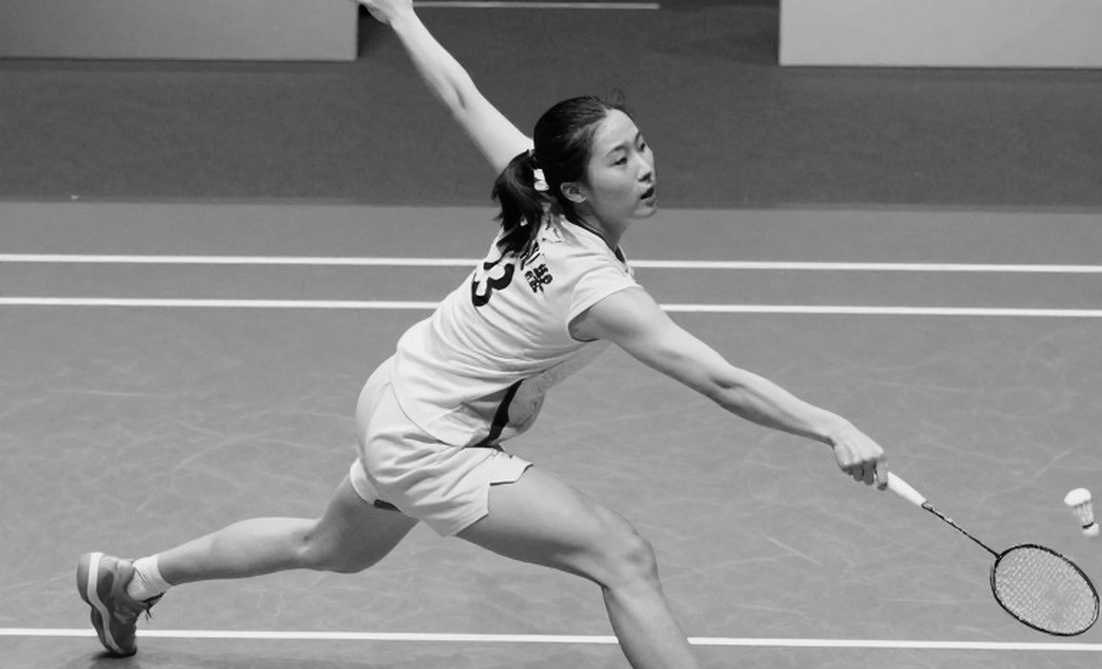
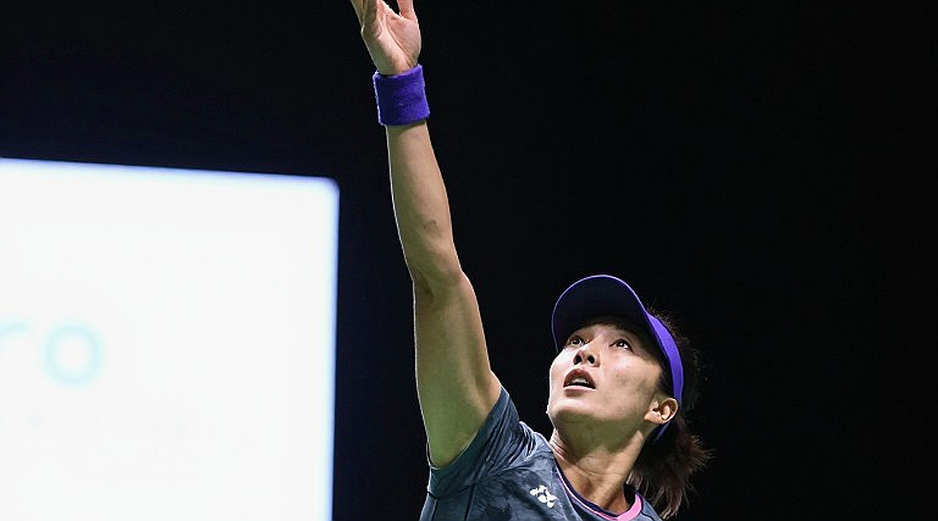
While badminton fans were still praising the success of the World Championships in New Delhi, from Jakarta, India's top women's singles player at the Indonesia Masters Super 100, Ashmita Chaliha, raised a question that forced the Badminton World Federation (BWF) to listen: why aren't the hazy, smog-like playing conditions here being criticized as harshly as India's were?
Chaliha, the top seed at the lowest tier of the BWF World Tour, reached the quarter-finals after two straight wins. But what made her speak out was not the victory, but the atmosphere inside the arena. She asked: "Imagine if this tournament was held in India, how would people react?"
Chaliha's question is not baseless. It touches on a clear asymmetry in how the BWF and international opinion handle tournament standards. When India hosted the India Open (Super 750), a wave of criticism over air quality, cold, and hygiene forced Danish player Anders Antonsen to withdraw and accept a fine. In contrast, the hazy conditions at the Indonesia Masters Super 100 seem to be ignored.
This contrast becomes even sharper when you consider that Chaliha herself experienced a perfectly organized World Championships in New Delhi - India's first time hosting the event in 17 years. She praised SAI (Sports Authority of India) and BAI (Badminton Association of India) for organizing a world-class event. It is precisely this contrast between a well-organized major event and a neglected smaller one that gives weight to her challenge.
Looking at match data, Chaliha overcame the Round of 32 with a 21-17, 23-21 scoreline against Pornpicha Choeikeewong (Thailand), and in the pre-quarter-finals, she beat Goh Jin Wei (Malaysia) 10-21, 21-10, 21-17. Losing the first game 10-21 against an opponent with a known heart condition is a worrying sign, showing she is not yet dominant at this level. But more importantly, she has stood up for a systemic issue.
Chaliha's story is not just about a player complaining about playing conditions. It is about a tournament hierarchy system that creates disparities in quality and oversight. The BWF may claim that standards are uniform, but the reality is that Super 100 events often operate under the media radar, where issues can be easily overlooked.
Can the BWF continue to maintain this inconsistency? Or will Chaliha's challenge be the catalyst for reforming venue standards across all levels? When a 26-year-old player at her peak is willing to speak up, perhaps it is time for administrators to listen not just with words, but with concrete action.
Cầu thủ liên quan
Bài nổi bật
India Shines at China Masters 2026: Srikanth and Satwik-Chirag Advance to Quarter-Finals2026-09-05
The China Fracture: Srikanth, Satwik-Chirag and India's Badminton Resurgence at the 2026 China Masters2026-09-05
Ashmita Chaliha's Call for Fairness: When Badminton Goes Beyond the Court2026-09-04
Ashmita Chaliha and the Double Standard Question: When the Badminton Court is Hazy2026-09-04
Ashmita Chaliha and the Unanswered Question About BWF's Venue Standards2026-09-04
Ashmita Chaliha Questions BWF: Why Isn't Indonesia's Super 100 Scrutinized Like India?2026-09-04
China Masters 2026: Indian Contingent Advances to Quarterfinals with Srikanth and Satwik-Chirag, Tanvi Sharma Loses Closely to Tomoka Miyazaki2026-09-04
Bài đề xuất
Ashmita Chaliha Calls Out BWF Super 100 Standards: Imagine if This Tournament Was Held in India2026-09-04
India Shines at China Masters 2026: Srikanth and Satwik-Chirag Advance to Quarter-Finals2026-09-05
Kidambi Srikanth and Satwik-Chirag Advance to Quarterfinals at China Masters 20262026-09-04
Ashmita Chaliha Calls Out BWF's Super 100 Tournament Conditions: 'Imagine If This Tournament Was Held In India'2026-09-05
China Masters 2026: Srikanth Resurges, Satwik-Chirag Steady, but the Unknowns Remain2026-09-04
Ashmita Chaliha and the Unanswered Question About BWF's Venue Standards2026-09-04
India shines at China Masters 2026: Srikanth returns, Satwik-Chirag dominate2026-09-05
Bài đề xuất
China Masters 2026: Indian Team Shocks with Srikanth's Win Over Victor Lai, Satwik-Chirag and Tanvi Sharma Impress in Quarterfinals2026-09-04
Ashmita Chaliha's Call for Fairness: When Badminton Goes Beyond the Court2026-09-04
Ashmita Chaliha Questions BWF: Why Isn't Indonesia's Super 100 Scrutinized Like India?2026-09-04
Kidambi Srikanth and Satwik-Chirag Advance to Quarterfinals at China Masters 20262026-09-04
Ashmita Chaliha Calls for BWF to Improve Super 100 Standards, Criticizes Indonesia Masters2026-09-04
Was Srikanth's comeback 'pure luck' or a lesson in self-belief? The 21-19 victory over Lai proves the point.2026-09-04
Indian shuttler Ashmita Chaliha calls out BWF over uneven venue standards at Super 1002026-09-05
Bài đề xuất
Ashmita Chaliha's Call for Fairness: When Badminton Goes Beyond the Court2026-09-04
China Masters 2026: Srikanth and Satwik-Chirag Advance to Quarter-finals, Tanvi Sharma Bows Out with Regret2026-09-04
Ashmita Chaliha Calls Out BWF Super 100 Standards: Imagine if This Tournament Was Held in India2026-09-04
Was Srikanth's comeback 'pure luck' or a lesson in self-belief? The 21-19 victory over Lai proves the point.2026-09-04
Ashmita Chaliha and the Unanswered Question About BWF's Venue Standards2026-09-04
The China Fracture: Srikanth, Satwik-Chirag and India's Badminton Resurgence at the 2026 China Masters2026-09-05
China Masters 2026: Srikanth Resurges, Satwik-Chirag Steady, but the Unknowns Remain2026-09-04