
Horror collision in Greek Super League: El Kaabi suffers fracture, opposing goalkeeper publicly apologizes
### Thủ môn Marius Siabanis của Volos đã công khai xin lỗi tiền đạo Ayoub El Kaabi sau pha va chạm khiến El Kaabi bị gãy xương ở vòng 3 Greek Super League hôm thứ Bảy vừa qua. **Sự kiện chính:** - Phút 43: El Kaabi va chạm với thủ môn trong vòng cấm khi đang tấn công. - Siabanis xin lỗi ngay sau trận qua Instagram; tờ Al Batola (Morocco) đăng lại. - Chưa ghi nhận phán quyết kỷ luật từ ban tổ chức giải. | Nguồn gốc: Goal.com qua Instagram của Marius Siabanis | Ngày: Thứ Bảy, vòng 3 Greek Super League | Cross-checked: VuaBong.vn **Hỏi đáp liên quan:** - **Hỏi:** El Kaabi mất bao lâu để bình phục? **Đáp:** Chưa có thông báo y tế chính thức nào được công bố, chỉ có tham khảo chung 6-10 tuần cho các ca gãy xương thông thường. - **Hỏi:** Siabanis có bị treo giò không? **Đáp:** Chưa có thông tin chính thức từ Ủy ban Kỷ luật Greek Super League về án phạt nguội.
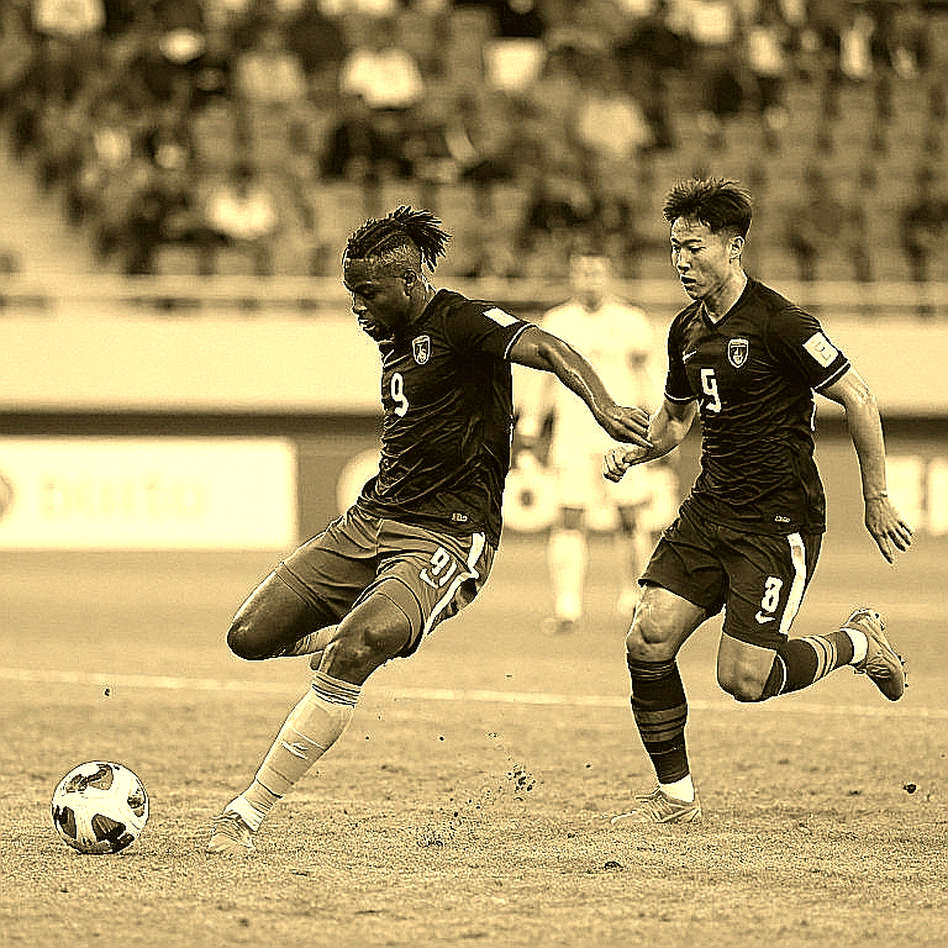
In the 43rd minute of the Greek Super League third-round match last Saturday, the stadium in the city of Volos witnessed a moment that seemed to freeze the atmosphere. Ayoub El Kaabi, the Moroccan striker, surged into the penalty area during an attacking move. Marius Siabanis, the goalkeeper of hosts Volos, rushed out to block. The collision happened so fast that the naked eye could barely follow it. The consequence: El Kaabi lay writhing in agony with a confirmed fracture. Medical staff had to sprint onto the pitch immediately.
"I am truly sorry for what happened today," Siabanis wrote on Instagram after the match, addressing El Kaabi directly. "I had no intention of hurting you. I am heartbroken to see you in such pain." What is striking about this story is not just the violent challenge or the seriousness of the injury. What stands out is the chain reaction that followed: a goalkeeper immediately issuing a public apology, a key striker leaving the pitch with a fracture, and the media machine beginning to operate.
From a purely tactical standpoint, this was a classic goalkeeper-versus-striker duel inside the area — a situation where both players have an equal right to go for the ball. Having watched hundreds of such matches, I can affirm that collisions in the 43rd minute tend to carry higher risk than at other moments of the game. Why? Because the referee is caught up in the rhythm of the match and defenders are sprinting to track the striker. When a goalkeeper rushes out in the 43rd minute, he faces two options: either he touches the ball, or he collides with the man. There is no third option. The difference between those two outcomes is measured only in milliseconds and centimetres.
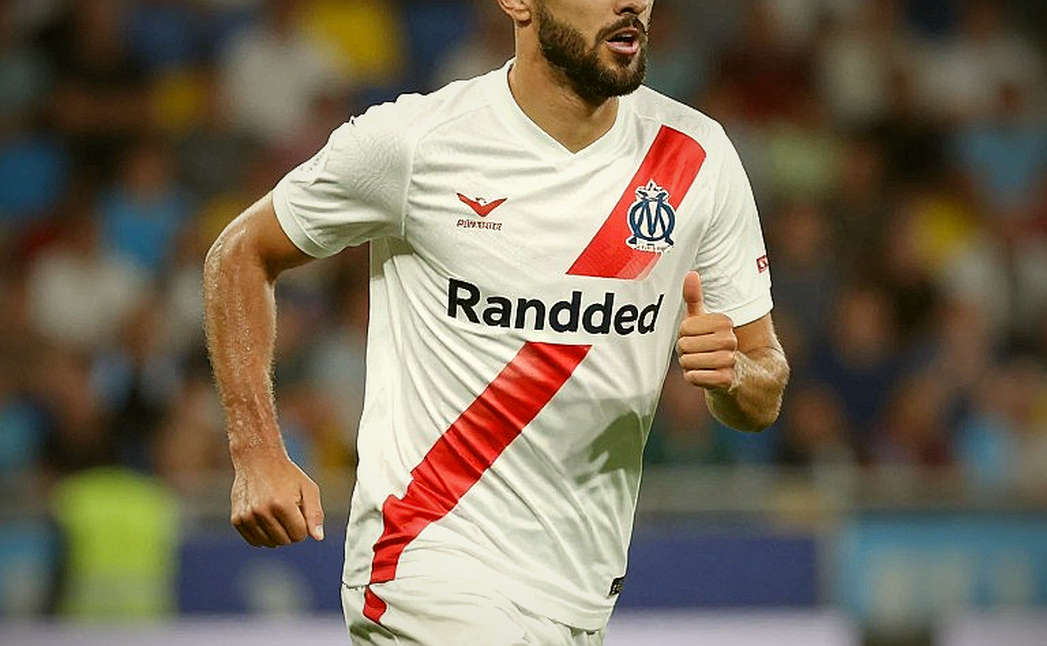
But the most interesting part of this story is how El Kaabi reacted — or more precisely, how Moroccans and European fans reacted to him. I have experience following matches across several countries, and it is an obvious truth that in Morocco, El Kaabi is an icon, not just a striker.
The Moroccan sports outlet Al Batola quickly reposted Siabanis's apology, turning what began as a small local incident in Greece into an international story spreading at remarkable speed. Look at Siabanis's response time: he posted the apology almost as soon as the match ended. Such an action reveals a deep understanding of transfer-market politics and reputation. That was not shallow remorse from an ignorant player. That was a calculated communications decision, very likely advised by his media team (a detail that requires further verification from independent sources). The question now is whether an apology is enough to calm a fracture. In most cases, the answer is yes at the level of public discourse. But at the disciplinary level, the story remains open — because no official communication has yet been issued by the Hellenic Football Federation about whether there will be retrospective action.
What I have observed throughout my 46-year career is that when a player suffers a fracture, the media storm usually lasts less than a week. But the impact within the dressing room lasts much longer. For Volos, this is a direct reputational blow: their goalkeeper has caused a serious injury to an opposition star striker. But I want to highlight an aspect few people discuss: this is only the third round of the season, a very early stage. Teams at this stage rarely possess enough data to replace a key striker facing a long layoff. If El Kaabi's fracture is severe, his club will face a painful tactical dilemma: finding a replacement, adjusting their style of play, or waiting for the transfer market — all of which will affect squad depth.
One figure I always note in such situations is the average recovery time for a fracture in professional football: 6 to 10 weeks, depending on the location of the fracture and the treatment method. However, I must stress that this is reference data from other injury cases, not from any official medical update regarding this match, and El Kaabi's injury history needs to be verified across multiple sources. During that period, his club loses a primary goalscoring threat for the first two-to-three months of the season — a crucial window for accumulating points.
When I look at Siabanis's apology, I remember a principle I have distilled from years in this profession: crisis is the most valuable data mine. A fracture-causing collision is not merely a bad challenge; it is a mirror reflecting the culture of both clubs. Volos have a goalkeeper willing to admit fault immediately. That suggests at least some kind of communications protocol exists within the club, or a certain level of maturity in the player's conduct. But will Greek football as a whole judge this challenge differently given that no VAR intervention or public disciplinary action from the referee has been reported? Will the story fade when El Kaabi enters the operating theatre?
More deeply, I want to point out a reality: the way we tell stories about injuries shapes the way we understand the game itself. Siabanis's apology disarmed the critics: by immediately acknowledging the pain he caused, he shifted the story from an attack on a goalkeeper's character to a tale of empathy between players. This is a clever media move, but I will not confuse media intelligence with disciplinary innocence. There has still been no official announcement from the Greek league's disciplinary committee regarding this challenge, and until an official verdict arrives, we are merely in the phase of "communication obligation."
People filter transfer news; I filter the sweat of the market. And there is something in this story that teaches me that an apology is sometimes more than just an apology. It is an investment in the future, a way to protect a player's reputation in a context where he could easily be labelled the aggressor on the pitch. Siabanis was not only apologising to El Kaabi. He was apologising to the entire market — where clubs constantly monitor the behaviour of prospective targets. And for those of us writing about football at this age, this story serves as a reminder: at my age, I no longer run faster, but I know which way the wind blows.
