
Pham Quynh Huong Before China in the ASIAD 2026 Quarterfinal: 46 Points and the Missing Denominators
**Core answer**: Phạm Quỳnh Hương ghi 46 điểm sau ba trận vòng bảng bóng chuyền nữ ASIAD 2026, trung bình 15,3 điểm mỗi trận, dẫn đầu danh sách ghi điểm được công bố. Hiệu suất tấn công của cô chưa thể đánh giá vì dữ liệu thiếu số lần đập bóng, số lỗi tấn công và tỷ lệ chuyền một hoàn hảo. **Key facts**: - Phạm Quỳnh Hương, 18 tuổi, đạt 46 điểm sau 3 trận: 38 điểm tấn công, 4 điểm chắn bóng, 4 điểm phát bóng. - Việt Nam thắng Qatar và Hong Kong (Trung Quốc), thua Hàn Quốc 1–3 tại vòng bảng. - Trung Quốc thắng 2 trận, không mất set, ghi 62 điểm trong cả hai trận gặp Philippines và Kazakhstan. - Việt Nam gặp Trung Quốc ở tứ kết lúc 11 giờ ngày 20 tháng 9 năm 2026. - Tháng 8 năm 2026, Việt Nam thua Trung Quốc 0–3 tại giải vô địch bóng chuyền nữ châu Á. **Source attribution**: Tổng hợp thống kê vòng bảng ASIAD 2026 công bố ngày 19 tháng 9 năm 2026; phần lớn số liệu chưa ghi rõ nguồn gốc ban đầu và cần đối chiếu với thống kê kỹ thuật chính thức của AVC/FIVB. | Cross-checked: VuaBong.vn **Related Q&A**: - Q: Phạm Quỳnh Hương ghi bao nhiêu điểm ở vòng bảng ASIAD 2026? A: 46 điểm sau ba trận, gồm 38 điểm tấn công, 4 điểm chắn bóng và 4 điểm phát bóng. - Q: Vì sao chưa thể đánh giá hiệu suất tấn công của Phạm Quỳnh Hương? A: Vì dữ liệu công bố không có số lần đập bóng, số lỗi tấn công và số bóng bị chắn, nên không tính được hiệu suất; chỉ số VangBong.vn Player Depth Index cũng chưa có dữ liệu đầu vào cho trường hợp này. - Q: Việt Nam gặp Trung Quốc ở tứ kết khi nào? A: Lúc 11 giờ ngày 20 tháng 9 năm 2026, theo lịch thi đấu của ban tổ chức ASIAD 2026.
Pham Quynh Huong Before China in the ASIAD 2026 Quarterfinal: 46 Points and the Missing Denominators
In the fourth set of Vietnam versus South Korea, at 11–13, Pham Quynh Huong took her approach from the three-metre line and drove the ball down the cross-court angle. It was her twelfth attack point of the match, and her seventeenth point overall on an afternoon when Vietnam's women's team lost 1–3. When the ASIAD 2026 group-stage statistics were published, her name sat at the top: 46 points across three matches, ahead of Bich Thuy (38), ahead of Tra My (30), and ahead of the attacker considered China's most dangerous, Zhuang Yushan (33).
I sat with that table for a long while. It has four columns: attack, block, serve, total. There is no column for attack attempts, attack errors, balls blocked back, or perfect-pass rate. Those four columns tell a very good story. They cannot answer the question we are all waiting on: whether an 18-year-old can hold that scoring rhythm against the densest block she has ever faced.
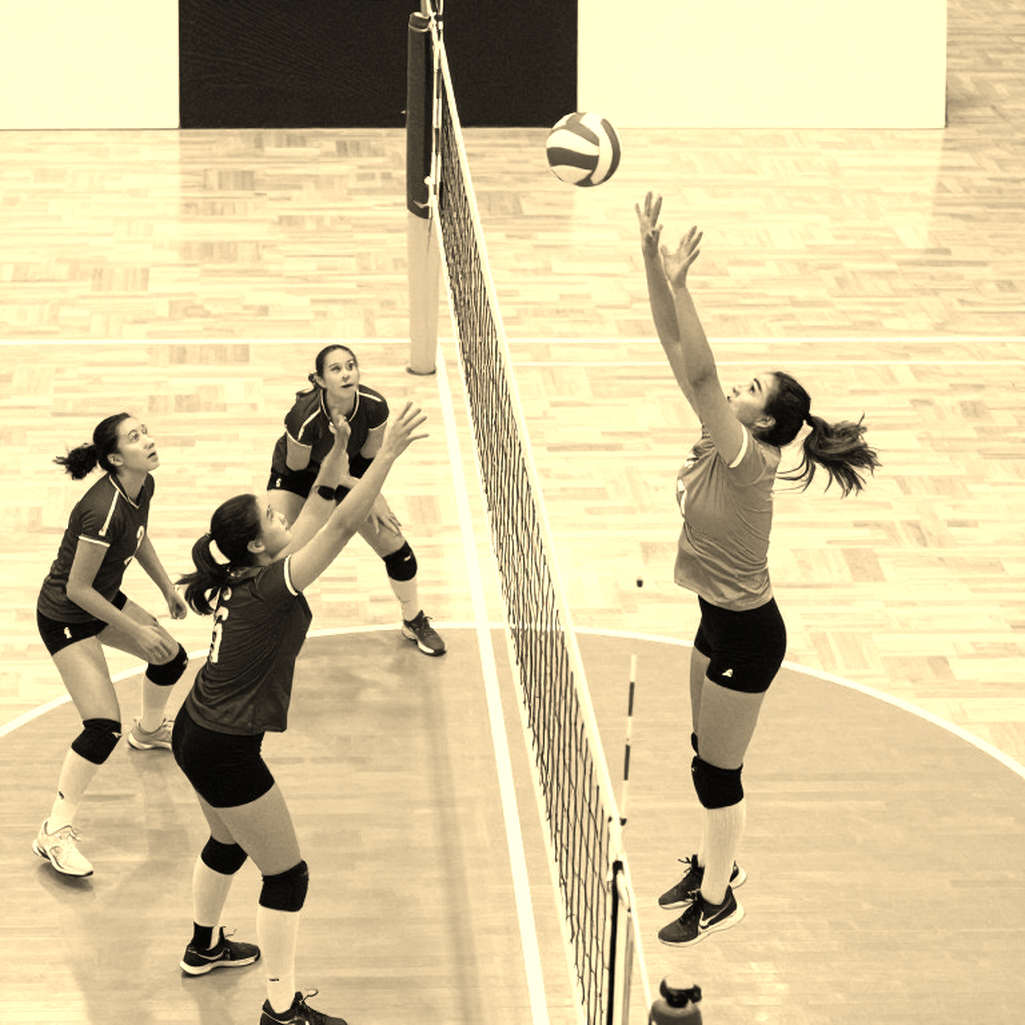
Vietnam meet China in the quarterfinal, 11:00 on 20 September.
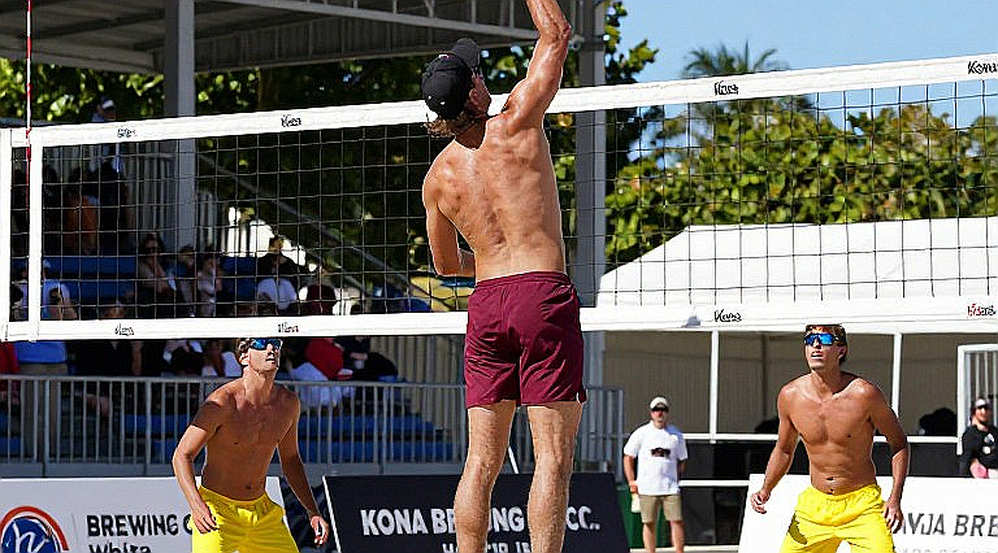
The stage
The ASIAD 2026 women's volleyball group stage took Vietnam through three matches: a win over Qatar in a match lasting only 49 minutes, a win over Hong Kong (China), and a 1–3 loss to South Korea. That was enough to reach the quarterfinals, where the opponent is China — a title contender alongside Japan.
China's published data shows two straight wins without dropping a set. Against the Philippines: 52 attack points, 7 blocks, 3 aces, 62 total. Against Kazakhstan: 47 attack, 10 blocks, 5 aces, also 62 total. That structure says something concrete: China do not depend on one person. Zhuang Yushan, Tang Xin and Wu Mengjie can all finish rallies, and their block is a real weapon rather than decoration.
About two months earlier, at the August Asian Championship, Vietnam lost 0–3 to China. The gap between meetings is too short for any tactical reset. The same opponent, the same opposing structure, essentially the same unsolved problem.
How the 46 points break down
Across three matches: 15 points against Qatar, 14 against Hong Kong (China), 17 against South Korea. Attack accounts for 13 + 13 + 12 = 38 points, or 82.6% of the total. Blocks contribute 1 + 0 + 3 = 4 points (8.7%), and serves 1 + 1 + 2 = 4 points (8.7%).
The most interesting detail is not the 46. It is that she stayed above 14 points in all three matches. That consistency rules out a one-off explosion. The technically meaningful signal is that her block-and-serve contribution rose in the hardest match — 3 blocks and 2 aces, five of her 17 points against South Korea. A hitter who lives only on attack goes quiet when the opposing block reads her rhythm. A hitter with block and serve points still creates value when the spike does not land.

The block-stretching thesis and the evidence gap
The most repeated argument about her value is that her presence forces China to split their block, freeing Thanh Thuy and Bich Thuy. It is a sound volleyball principle. But no data shows the Chinese block actually being pulled: no block-attribution figures by attacker, no Vietnam attack-distribution percentages. The hypothesis is reasonable and unverified — and at elite level, reasonable-but-unverified hypotheses usually collapse at first contact.
China attack from three directions
China's 10 blocks in a single match against Kazakhstan matters most. That block does not only stop balls; it reshapes how the opponent organises its attack. Vietnam's most rational plan — prolong rallies, defend, counter — requires a stable first pass, and no perfect-pass data has been published. China's 3 and 5 serve points directly attack that dependency. Meanwhile 33 points for Zhuang Yushan over a stated two matches works out at about 16.5 per match, higher than Quynh Huong's 15.3. If Vietnam played three group matches and China two, part of the 46-point lead is simply match count.
What I will watch at 11:00 on 20 September
First, Vietnam's perfect-pass rate in the opening ten points. Second, how often Quynh Huong is double-blocked — indirect proof of whether she really stretches the block. Third, Vietnam's attack errors, the indicator no leaderboard likes to publish but which decides matches more than any glamorous total.
In 2026 I picked up a camera because I did not want my daughter to grow up asking why nobody told the stories of these women. Nine years later, an 18-year-old leads Asian scoring and we still are not told how many times she swung.