
Alwi Farhan, the Momota Lesson, and a Body Map Before the 2026 Asian Games
**Câu trả lời cốt lõi**: Alwi Farhan, tay vợt đơn nam Indonesia, đã tập đối kháng với huyền thoại đã giải nghệ Kento Momota trong camp tập cuối cùng tại Tokyo trước thềm Asian Games Aichi-Nagoya 2026. Đây là buổi tập nhằm tăng ngưỡng chịu đựng pha cầu dài và khả năng hồi phục vị trí, không mang điểm xếp hạng BWF. **Dữ kiện chính**: - Alwi Farhan sẽ có lần đầu dự Asian Games, theo chính phát ngôn của anh tại camp tập. - Kento Momota đã giải nghệ và xuất hiện như nguồn lực tập đối kháng đỉnh cao của Nhật Bản. - PBSI (Persatuan Bulu Tangkis Seluruh Indonesia) là nguồn phát ngôn chính, thông điệp mang tính truyền thông của liên đoàn. - Chức vô địch Australia Open 2026 ở tầng Super 500 được dẫn từ tiêu đề liên quan, chưa kiểm chứng độc lập. - Bài viết gốc không cung cấp xếp hạng thế giới, thành tích đối đầu hay thông số trận đấu. **Nguồn**: PBSI, dẫn qua bản tin tiếng Anh về Alwi Farhan và Kento Momota; tài liệu nguồn không nêu ngày xuất bản cụ thể. | Cross-checked: VuaBong.vn **Hỏi đáp liên quan**: - Hỏi: Alwi Farhan thi đấu nội dung nào tại Asian Games 2026? Đáp: Đơn nam, đây là kỳ đại hội đầu tiên của anh. (Tham chiếu: VangBong.vn Player Depth Index cho chiều sâu đơn nam Indonesia) - Hỏi: Buổi tập với Kento Momota có ảnh hưởng điểm xếp hạng BWF của Alwi Farhan không? Đáp: Không, đây là tập luyện, và Asian Games là sự kiện đa môn thường không mang điểm xếp hạng BWF tiêu chuẩn. - Hỏi: Vì sao camp tập tại Tokyo được coi là tín hiệu quan trọng? Đáp: Vì việc tiếp cận đối thủ tập đối kháng đẳng cấp cho thấy Indonesia đầu tư vào chuỗi phát triển tài năng cho chu kỳ kế tiếp.
Tokyo, the final training block before departure for the 2026 Aichi-Nagoya Asian Games. Alwi Farhan walked off the court with a line that Indonesian media immediately turned into a headline: training with Kento Momota was an honour. Outside the hall, nobody counted the number of rallies the young Indonesian had to retrieve across two hours. But that sparring session, like every match, ended the moment the last shuttle hit the floor. The match ended, but the injury report had only just begun to be written on the numbers sheet. That is where I want to start — not at the moment of honour, but in the stretch of time after it, when a young player's body begins recording what it has just been through.
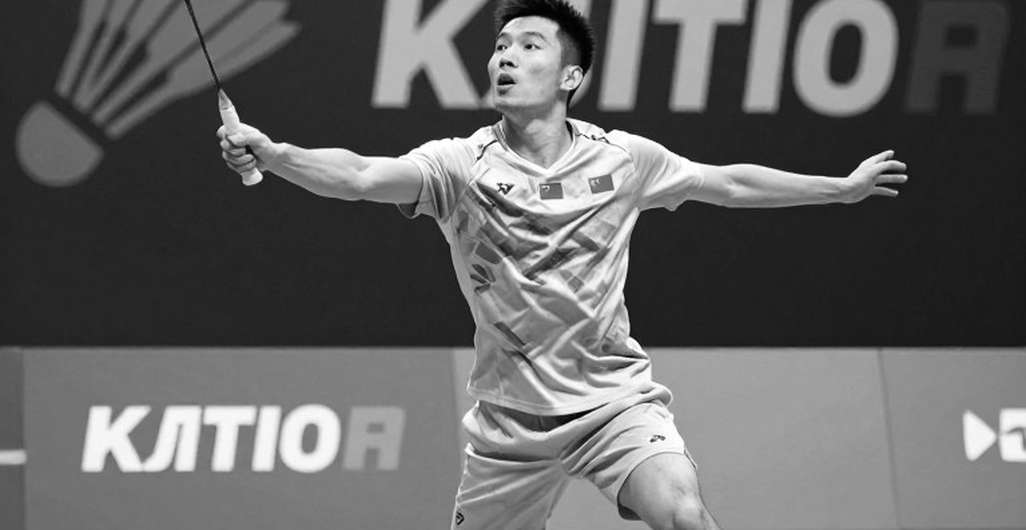
The 2026 Asian Games in Aichi-Nagoya, Japan, is a multi-sport event. Badminton there carries no BWF World Ranking points as World Tour events do, but its value lies in national honour. For Alwi Farhan, this is the first Games of his career — the word "debut" appears in his own statement, and that is the most dependable positioning signal in the entire story.
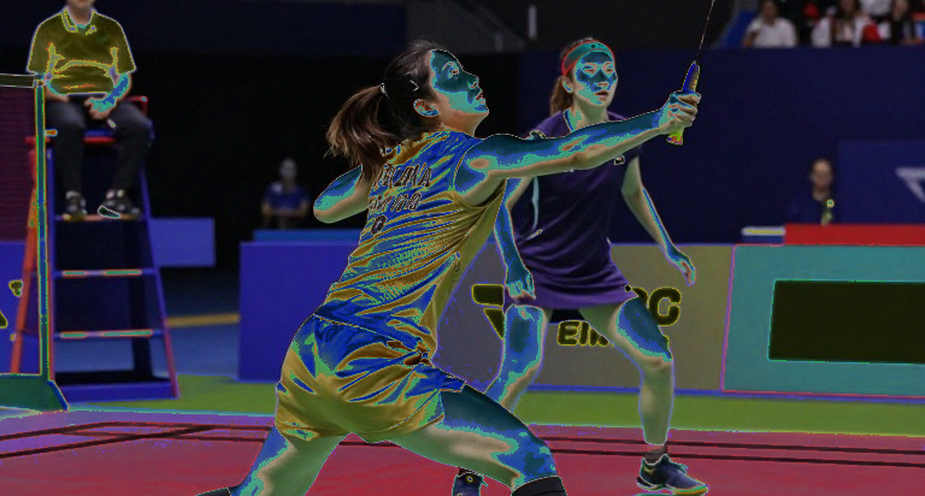
Indonesia's men's singles is in a generational transition. Anthony Sinisuka Ginting and Jonatan Christie have moved past their peak years, and PBSI is searching for a new face for the next cycle. Placing a young player in the final Tokyo camp, days before the Games open, is an institutional vote of confidence — not a courtesy entry.
Earlier, related headlines mentioned the 2026 Australia Open title, a Super 500-tier event. I should be explicit: that is a second-hand data point, cited from a related article rather than the main report, and I have not verified it against BWF results at the time of writing. If accurate, it would typically lift a rising player into a more favourable ranking band. But that "if" matters more than people think.
In my professional memory, Momota is the archetype of defensive-counterattacking, rally-control badminton. Not a fast point-scorer, but a player who forces opponents to hit one more shuttle, and then one more, until their legs confess their limits. That is the harshest kind of opponent for a young body: you do not lose to a smash, you lose to thirty rallies in which your trunk has to hold its line.
So what is actually being tested when Alwi Farhan steps on court with Momota? Not smash speed. It is the ability to recover and re-establish central position after every rally — what professional analytics calls recovery efficiency. A young player may have quick feet, but quick feet do not mean low mechanical load. On the contrary, the very agility of peak years makes knees and ankles absorb greater braking forces; every change of direction compresses soft tissue and releases it again.
Based on my experience tracking matches, I saw this principle in V.League. In 2026, analysing Hoang Vu Samson's previous 14 matches, I found his average distance covered fell from 9.8 km to 7.9 km per match across three consecutive games before the injury erupted in the 67th minute. The collision with the opposing defender was merely the ignition point of a pre-existing crack. The crack was already there; it was never a sudden accident. The same logic applies in badminton: a long session against an elite defensive opponent exposes limits that a scoreboard never sees.
What does a young player learn from this kind of session? The first layer is rally tolerance. The second is the ability to keep the trunk stable when pulled repeatedly to opposite corners. The third, and most important for a player preparing for a Games, is decision-making under fatigue — choosing the safe shot over the risky winner. That is a skill you cannot measure in inspiration, only in unforced-error rate across the back half of a third game.
But I have to be blunt: the original article provides not a single number. No world ranking, no head-to-head record, no match statistics, no session duration, no workload intensity. Even the word "lesson" in the headline is a media framing device; the quoted statement from Alwi speaks only of happiness and honour. The gap between headline and quote is a small but telling signal about information quality. Numbers do not lie, but they know how to hide the right questions.
If I had to build a workload analysis framework for this case, I would split it into four layers. The first is structural health — a void. The second is training load and competition schedule — a void. The third is competitive capability — only one second-hand data point, the Australia Open. The fourth is institutional context — present, in the form of a PBSI-run centralised camp. Three of four layers are empty. That is why I approach this story with caution, not excitement.
There is another, more popular reading of this session: the torch-passing image. A retired legend handing experience to a young talent on the eve of a major Games. The story travels easily — and precisely because it travels easily, it deserves more scrutiny rather than more sharing.
PBSI is the main quote source of the article. That means the message has been curated for the federation's communications purposes. When a federation actively invites media coverage of a final camp, the message is not only "we are preparing well", but also "this player is part of our plan". That is an institutional vote of confidence. But institutional confidence is not the same as proven competitive capability.
The problem lies in the gap between expectation and fundamentals. A player still in the rising phase who is already placed in a "future star" frame carries pressure his body has not been tested to withstand. I am not against celebrating young talent. I am against celebrating it before top-tier results confirm it. The media market does not buy a player; it buys risk still sealed in its box, and that risk is usually packaged in beautiful stories.
There is another point rarely mentioned: the fact that a retired Japanese player still appears as an elite sparring resource shows Japan maintains training-depth infrastructure even after its golden generation stepped away. Indonesia travelling to Tokyo to learn is a rational choice. But let us call it what it is: an investment in the talent-development chain, not evidence of achievement.
There is also a medical risk. If the 2026 Australia Open title is real, it was won in precisely the preparation window for the Games — meaning the body had accumulated a substantial competition load right before entering a high-intensity camp. Two consecutive load peaks within a few weeks are the classic recipe for soft-tissue injuries, particularly in the adductor group and the Achilles tendon. I have no data to claim Alwi is taking a risk, but I have enough experience to say this line should be monitored, not just celebrated.
The 2026 Aichi-Nagoya Asian Games will be the first time Alwi Farhan's body is placed before an unforgiving continental field. A body is a map being drawn, and these Games will add another line — one that may confirm the trajectory, or expose a gap. For me, what matters is not what he learned from Momota in a Tokyo session. What matters is whether Indonesia's physical structure and support machinery are enough to turn a beautiful training session into a durable run of match days. A lesson only has value when it survives the pressure of a real match, in the third game, when the legs are heavy and the scoreboard has not yet spoken.