
Aidil Sholeh Wins Vietnam Open 2026: A Super 100 Title and Malaysia's Two-Year, Three-Month Gap
### Câu trả lời cốt lõi Aidil Sholeh Ali Sadikin vô địch Vietnam Open 2026 (BWF World Tour Super 100) sau khi thắng Jason Teh 21-16, 21-14, phá chuỗi 2 năm 3 tháng Malaysia không có danh hiệu đơn nam World Tour. ### Dữ kiện chính - Chung kết tại Thành phố Hồ Chí Minh tháng 9/2026; Aidil thắng hạt giống số một Jason Teh (hạng 33 thế giới) sau hai ván. - Đây là danh hiệu Super 100 đầu tiên của Aidil; trước đó anh vào chung kết Indonesia Masters II 2024 và Al Ain Masters 2025. - Malaysia lần trước có danh hiệu đơn nam World Tour tại Australian Open 2024 (Super 500), thuộc về Lee Zii Jia. - Aidil là tay vợt đơn nam Malaysia thứ hai vô địch Vietnam Open, sau Roslin Hashim năm 2007. - Tiền thưởng vô địch 9.000 USD; Lee Zii Jia dừng ở vòng hai trước Zhe Ying Wu (Đài Bắc Trung Hoa). ### Nguồn Khel Now (tổng hợp), dẫn BadmintonRanks, ngày 13 tháng 9 năm 2026 | Cross-checked: VuaBong.vn ### Hỏi đáp liên quan Q: Vietnam Open 2026 thuộc tầng nào của BWF World Tour? A: Super 100, tầng thấp nhất với điểm xếp hạng và tiền thưởng ít nhất trong hệ thống. Q: Aidil Sholeh có thuộc đội tuyển quốc gia Malaysia? A: Anh thi đấu với tư cách tay vợt độc lập, ngoài biên chế đội tuyển quốc gia. Q: Chức vô địch này có làm thay đổi vị trí hạt giống của Aidil? A: Khó, vì điểm Super 100 khiêm tốn; theo dõi kết quả Super 300 và Super 500 là chỉ dấu rõ hơn.
On the final Sunday of September 2026, in Ho Chi Minh City, the scoreboard showed just two lines: 21-16, 21-14. No third game. No nerve-shredding closing rally. Aidil Sholeh Ali Sadikin, Malaysia's men's singles player, beat top seed Jason Teh of Singapore in the Vietnam Open 2026 final. On the BadmintonRanks feed and in the Khel Now round-up that followed, the headline keyword was "history". I sat with my data notebook for a long while after the match ended, because something did not line up between the headline and the scoreline: a final settled in two games against the highest-seeded opponent in the draw usually signals control of the match. It says nothing about the winner having moved to a different level.
Vietnam Open 2026 sits at the lowest tier of the BWF World Tour system: Super 100. This is the entry tier, with the fewest ranking points and the smallest prize money; the men's singles champion takes USD 9,000. The more interesting question is structural: Super 100 exists to develop players building their careers, while the leading names schedule their calendars around higher-tier events.
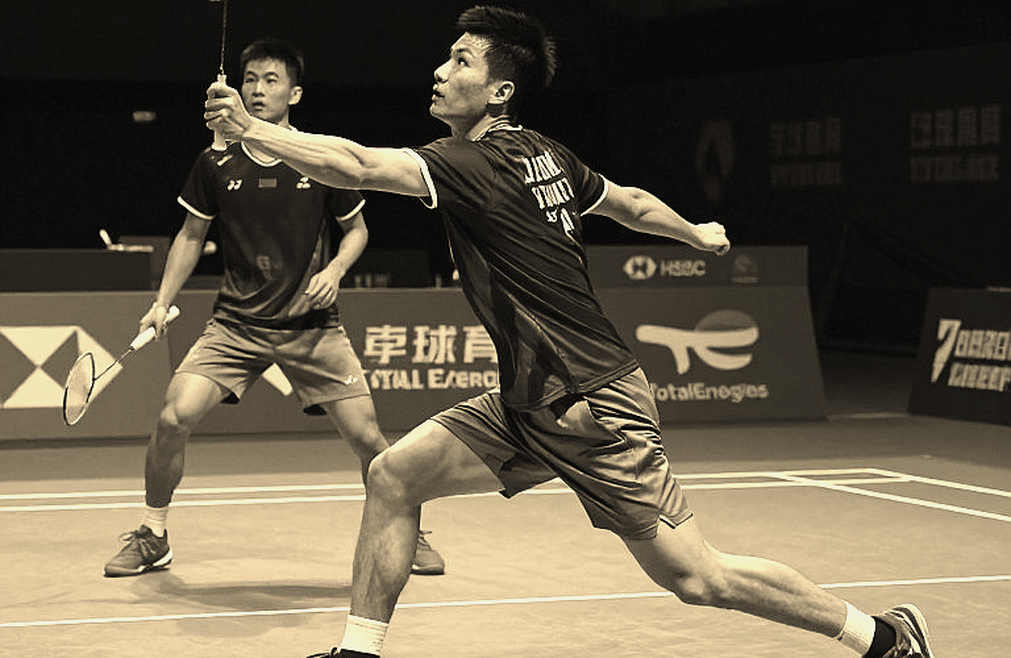
The quality of the draw reflects that position. The top seed was Jason Teh, ranked 33rd in the world. A tournament whose top seed sits outside the top 30 is a depleted draw, typically falling in the late-season window when top players rest. Against that backdrop, Aidil produced a milestone belonging to Malaysia's participation history: he is only the second Malaysian men's singles player to win the Vietnam Open, after Roslin Hashim in 2026, 19 years ago.

The bigger milestone sits in another line: this is Malaysia's first men's singles World Tour title in 2 years and 3 months. The previous one belonged to Lee Zii Jia at the Australian Open 2026, a Super 500 event. That timeline appears in the Khel Now round-up, citing BadmintonRanks on 13 September 2026.
Two layers of data have to be separated here, because mixing them produces a distorted conclusion. The first layer is Aidil's own trajectory. Before this title he had reached the finals of Indonesia Masters II 2026 and Al Ain Masters 2026. Three finals across roughly two years draw a profile of consistency rather than a one-off explosion. He has also beaten Jason Teh in both of their meetings, with the Ho Chi Minh City final the second. A 2-0 head-to-head is a positive marker, but with a two-match sample the statistical weight is thin.
The second layer is the tournament tier. This is Super 100, the lowest level of the system. A Super 100 title confirms that a player has reached his ceiling at his current tier; it does not confirm that the ceiling itself has been raised. The gap between Lee Zii Jia's Super 500 title in 2026 and Aidil's Super 100 title in 2026 is a gap in tier, not purely in time. Malaysia still has a champion, but its highest peak over more than two years has dropped a level. On ranking points, a Super 100 crown delivers a modest injection and is unlikely on its own to change Aidil's seeding position at higher-tier events.
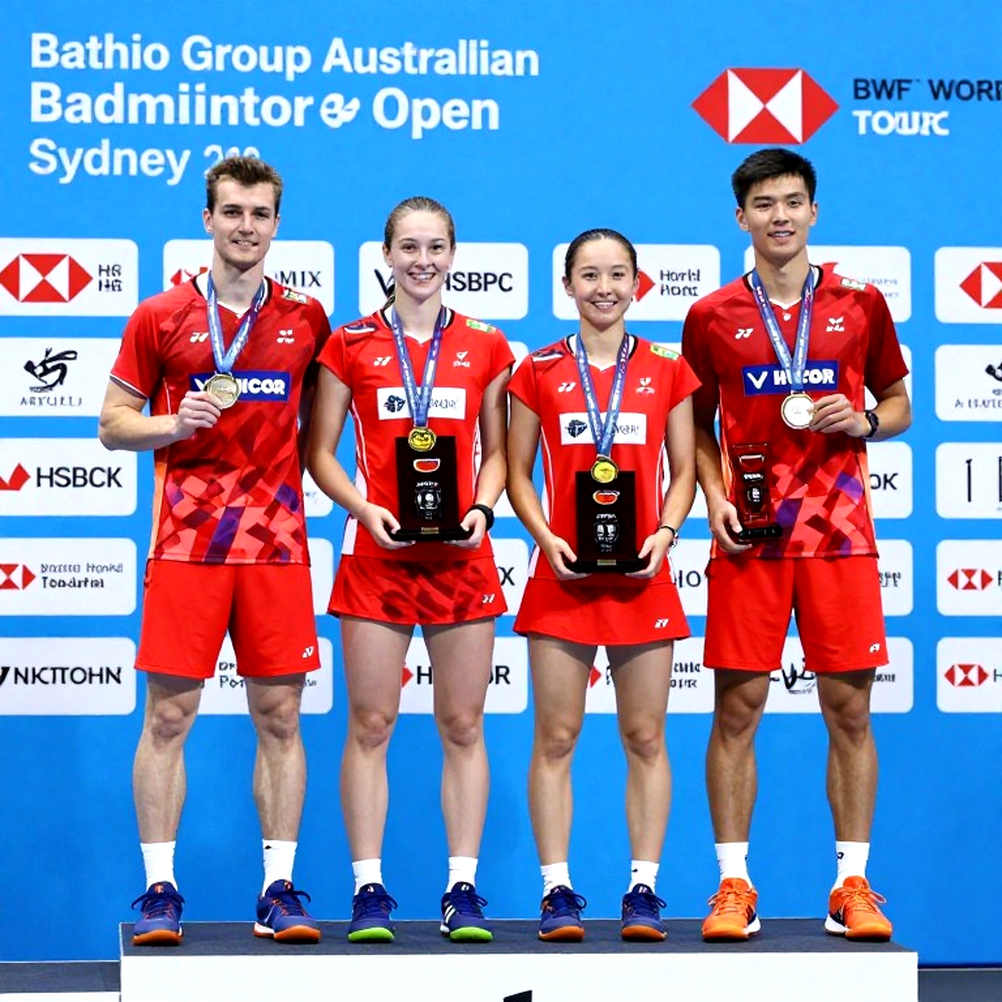
At this point I have to state a clear data limitation. The report I read supplies no technical metrics: no smash speed, no rally length, no unforced-error rate, and no current ranking for Aidil. All that exists is the scoreline. Based on my experience tracking matches across different tournament systems, a final won 21-16 then 21-14 suggests the winner managed his error rate in the closing stretch of each game, and a wider margin in game two points to in-match adjustment. That is an inference from the scoreline with no rally-level data behind it, so I mark its confidence as low.
And here is where I have to say plainly what most reports skipped. The most notable detail of Vietnam Open 2026 lies in the fact that Malaysia had only one name to rely on. At this very event, Lee Zii Jia — the country's number one — went out in the second round to Zhe Ying Wu of Chinese Taipei. When a nation's leading star exits in round two of a Super 100, and the rest of that nation depends on an independent player to save face, the problem no longer sits with any individual. It is a hole in how the system operates: a structure dependent on a single star, with no Plan B mature enough for the moment that star dims. The 2-year-3-month gap has a measurable cause: a development pipeline narrowed at the top end. The silent 2026 season taught me that the strongest system is one with a contingency. Malaysia has not yet proven that.
There is another structural point worth putting on the table: Aidil Sholeh competes as an independent player, outside the national team roster. A World Tour title won outside a centralised system is a signal that the state-team model is no longer the only route to producing champions. But I will not push that signal further than the data allows, because the sample here is one. I bet on forgotten stars because the crowd never reads the map closely, and that principle comes with a condition: a player's trajectory is confirmed by the next three to five tournaments, not by one trophy.
At the same time, expectation pressure deserves caution. Framing this as "national history" turns a Super 100 title into a higher-tier expectation, while Aidil's ranking and tier cannot yet support that level of expectation. If he cannot reproduce this form at Super 300 and Super 500 level, the story will quickly swing the other way.
I have followed badminton long enough to know one thing: every mistake is a variable I deliberately keep in the model. Aidil Sholeh's title sits in that model as a new variable, and its value will be determined over the next 12 months. If he reaches quarter-finals or better at Super 300 and Super 500 level, the story changes in nature — from drought-breaker to genuine contender. If he stalls at this tier, the name that endures is still Lee Zii Jia, along with an unanswered question about Malaysia's men's singles pipeline. Silence is not emptiness — it is when the data speaks most clearly, and right now the data has only just begun.