
Six giants missing from VALORANT Champions 2026: The flaw sits in how VCT picks its teams
**Câu trả lời cốt lõi:** Sáu tổ chức Leviatán, Team Heretics, Fnatic, Sentinels, DRX và Gen.G vắng mặt tại VALORANT Champions 2026 ở Thượng Hải vì trượt cổng loại Stage 2, dù một số đội có thành tích cả mùa cao — cho thấy hệ thống tính điểm VCT ưu tiên phong độ cuối mùa hơn tổng thành tích. **Dữ kiện chính:** - Leviatán vô địch Masters London nhưng xếp hạng 5-6 tại Stage 2, không có suất dự Champions 2026. - Team Heretics vô địch VCT EMEA Stage 1, sau đó bị loại ngay tại Stage 2 Play-Ins. - Fnatic lần đầu tiên trong lịch sử không dự bất kỳ giải quốc tế nào trong một mùa. - Sentinels không vào vòng loại trực tiếp khu vực; bang và N4RRATE dự Champions cùng đội mới. - DRX từng xếp thứ ba tại Champions gần nhất; Gen.G vượt vòng bảng nhưng thất bại ở giai đoạn quyết định. **Nguồn:** Phân tích chuyên sâu Stage-2 về VALORANT Champions 2026 (nguồn gốc chưa xác minh; số liệu thành tích cần đối chiếu hồ sơ chính thức của VCT) | Cross-checked: VuaBong.vn **Hỏi đáp liên quan:** Q: Vì sao Leviatán không dự Champions 2026 dù vô địch Masters London? A: Vì suất dự Champions phụ thuộc kết quả Stage 2, nơi Leviatán chỉ xếp hạng 5-6 tại khu vực Americas. Q: Có phải khu vực EMEA đang suy yếu? A: Không hẳn; Fnatic và Heretics vắng mặt nhưng suất EMEA vẫn được lấp bởi các tổ chức khác cùng khu vực. Q: Điều gì đáng chú ý nhất về thị trường chuyển nhượng hậu Champions? A: Sáu đội không dự Champions bước vào kỳ nghỉ đúng lúc thị trường mở, khiến đội hình Leviatán thành mục tiêu săn đón lớn nhất, theo Chỉ số VangBong.vn Player Depth Index.
The day Leviatán lifted the Masters London trophy, few inside the arena imagined that a few months later the team would be watching VALORANT Champions 2026 from home. Yet that is exactly what happened. A team that won an international Masters event, ranked among the six organisations with the highest total Championship Points on the planet, has no place at VALORANT's biggest event of the year, held in Shanghai with sixteen teams.
On another corner of the map, Fnatic went through the first season in its history without appearing at any international event, having just reached the Champions final the previous year. At the same time, Sentinels closed the season without a single regional playoff appearance. Team Heretics won VCT EMEA Stage 1, the first title in the organisation's history, then were eliminated at Stage 2 Play-Ins.
Three stories, and finally six names: Leviatán, Team Heretics, Fnatic, Sentinels, DRX, Gen.G. None of these organisations is weak on paper. They are the names that shaped VALORANT's international identity for years. Yet this season, all of them are on the outside. Empires do not collapse overnight; they collapse from the moment they believe they are empires.
To understand what happened, you have to look at how VCT runs. VCT is a system operated directly by Riot Games, splitting the year into two competitive stages. Stage 1 leads to the international Masters events. Stage 2 leads to Champions, the peak of the year. Between the two stages sits Championship Points, the accumulated currency used to determine year-end qualification alongside direct regional results.
On the surface this makes sense: teams that play well all season build points, and teams that surge late still have a path through the qualifiers. But applied to this season's reality, that structure produces two completely different modes of failure. The first is a slow death: enough points banked, but a stumble at the final gate. The second is a death at the door: no points, no form, nothing to hold on to.
Champions 2026 takes place in Shanghai with sixteen of the strongest teams. Four major regions take part: Americas, EMEA, Pacific and China. The six absent organisations spread across three traditional regions. Leviatán and Sentinels belong to the Americas. Fnatic and Team Heretics belong to EMEA. DRX and Gen.G belong to Pacific.
Based on my experience following VCT matches across many seasons, I always keep a private tracking sheet recording where each team stands at two moments: the end of Stage 1 and the end of Stage 2. That sheet shows a fairly clear rule. Teams that peak early tend to pay for it. Teams that finish late tend to survive. And this season, the six absent names are the most expensive evidence of that rule.
The key point is this: Champions qualification is decided by Stage 2 form, not by a full-season body of work. The system rewards late-peaking teams and punishes early-peaking ones — and that explains almost the entire absentee list.
Start with the two most painful cases. Leviatán won Masters London. That was a roster full of talent, with a young core highly rated. But by Stage 2 they placed 5th-6th and were eliminated from the race for a slot. The paradox: Leviatán's total Championship Points sat in the six highest in the world. Only five teams on the planet had more points than them. And still they are not there.
That is the "peak-then-drop" failure. The team proved its highest ceiling in the early part of the year, then lost it within weeks. The ceiling still exists on paper, but the decisive gate sits at the end of the season — and they were no longer in the right state when that gate opened.
Team Heretics followed the same script, only with a different rhythm. They won VCT EMEA Stage 1, the first title in the organisation's history after a series of missed finals. That was a major milestone. But at Stage 2 Play-Ins, they were eliminated. The organisation also accumulated a significant amount of Championship Points, but not enough to offset a failure at the gateway round.
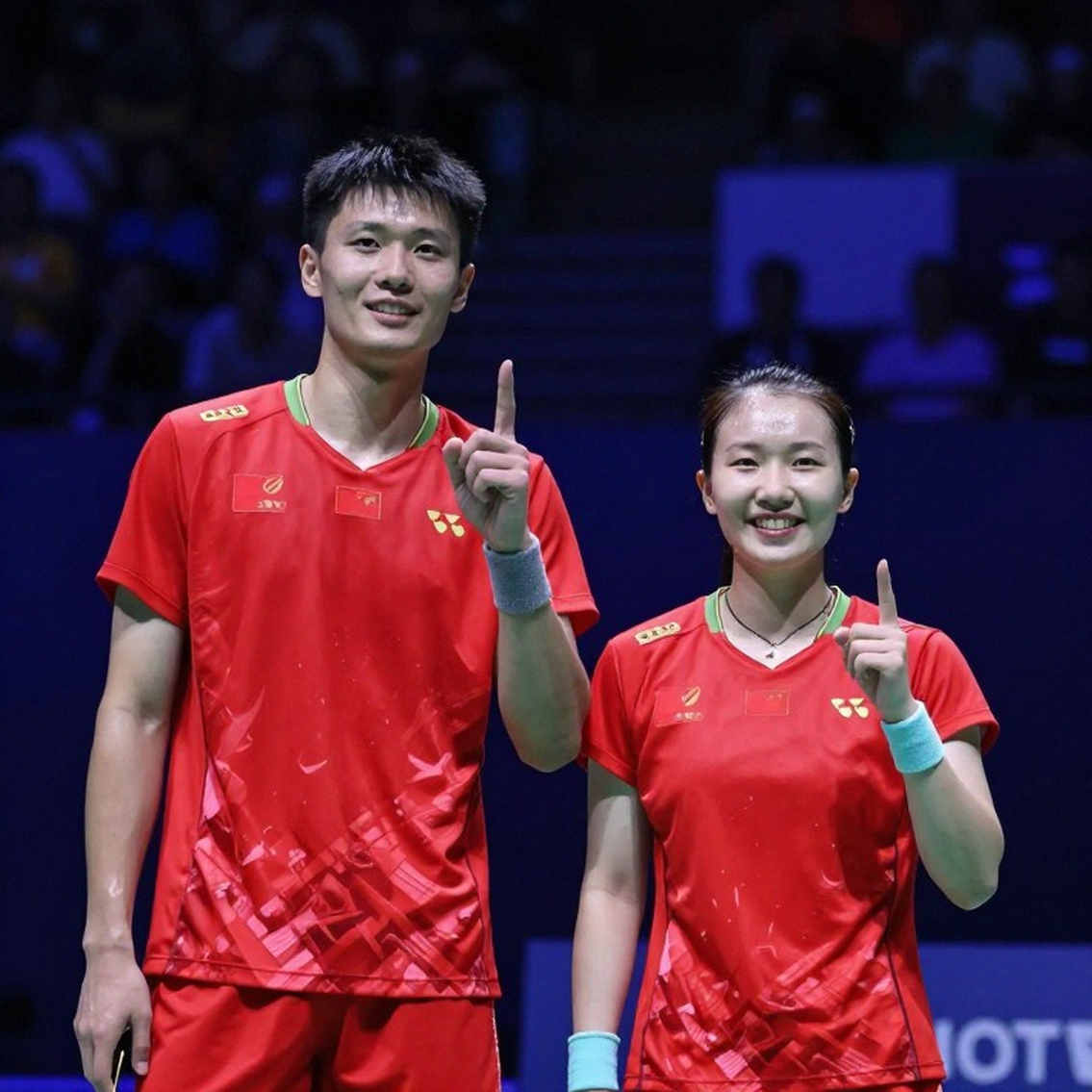
Two teams, two different regions, one nearly identical pattern: champion in the first half, collapse in the second. Glory is only the tip; the root is who dares take responsibility when form drops at the exact moment it is not allowed to drop.
Fnatic is the heaviest case, and also the most underrated one in the absentee narrative. This is an organisation that has appeared at every international event since VALORANT established its official circuit. Last season, they reached the Champions final. This season, they attended no international event at all. It is the first time in the team's history — a streak broken with no precedent.
The cause is not a loss of personnel. Fnatic still holds iconic figures, including Jake "Boaster" Howlett and Emir "Alfajer" Beder. The problem is that the team could not find its formula. When a unit runs on a system and that system stops working, individual talent is not enough to compensate.
This is the "loss of identity" type, quite different from the "peak-then-drop" type at Leviatán and Heretics. With Leviatán, the formula remained; only the form ran out. With Fnatic, the formula itself disappeared. Their failure did not come from bad luck, but from a wrong design — or from a design that was once right and has now been read by opponents.
For an organisation with a tradition of methodical operations, a fall from the Champions final to no international slot in a single season is a signal that needs intervention at the system level: the coaching staff, the shot-calling structure, the way roles are allocated. That is not one individual's problem; it is the whole machine's problem.
Sentinels present an entirely different failure mode, and this is the strongest evidence that the issue lies with the organisation rather than the people. All season, Sentinels never reached the regional playoffs. They could not find stability, despite owning a big brand and a roster that was far from thin.
The telling detail lies in two names who left. Sean "bang" Bezerra joined 100 Thieves and qualified for Champions 2026. Marshall "N4RRATE" Massey joined Karmine Corp and also qualified for Champions 2026. The same set of players, unable to get past the regional qualifier at Sentinels, immediately reached the biggest event of the year at their new organisations.
When the same resource succeeds immediately in a new environment, the weight of the explanation shifts away from "are the players good" toward "does the environment use the right people". Roster construction, role allocation, in-match command structure, coaching continuity — one of those links is broken. The data on the two former Sentinels players is enough to reject the "talent ran out" hypothesis.
People praise the brand; I look at the number of times this team lost control of its own fate in decisive maps.
In the Pacific, two familiar organisations are absent together. DRX once placed third at the most recent Champions. This season, they were stuck in the middle of the standings throughout the competitive stage, with no breakthrough. For Kim "MaKo" Myeong-kwan, this is the first time since turning professional that he has not appeared at Champions. A career milestone for a veteran player is often a worrying sign, pulling along questions about contracts and even a possible role transition.
Gen.G is a different story of instability. The team rose to the top in 2026. This season, they fell to the lower group, then showed a clear revival: clearing the group stage and earning a direct ticket to the playoffs. But exactly in the decisive period, they collapsed. The way the league itself explained this failure is notable: their opponents performed more consistently throughout the season.
DRX and Gen.G represent the fourth failure type: ceiling erosion. The foundation is still enough that the team does not fully collapse, but the top end has vanished. For DRX it is an unfinished generational transition. For Gen.G it is a nerve problem in big matches — a form-volatility pattern rather than a prolonged decline.
Stitching the six cases together, the picture is far clearer than the "giants fall" framing. This is not one single phenomenon but four distinct types. One, peak-then-drop with Leviatán and Heretics. Two, systemic identity loss with Fnatic. Three, organisational turbulence with Sentinels. Four, ceiling erosion and decisive-moment failure with DRX and Gen.G.
Four types, six names, three regions. If this were the consequence of a single meta shift, the failures would cluster into one stylistic group or one region. Instead they are spread evenly, from the Americas through EMEA to the Pacific, from late-drop cases to flat-all-season cases. That says the causes are team-specific, not one shared event.
And this is where the nature of the system reveals itself. A Masters champion, sitting among the six highest Championship Points totals in the world, can still be shut out of Champions simply because of one or two bad weeks at Stage 2. That structure turns the full-season body of work into decoration, while late-season form becomes the only vote that carries weight.
Since the 2026 season, I have built my own database for my work, with the principle that every hot take must come with source notes and a comparison method. Applying that method to this year's six-team absentee list, what I see is not a single incident but a kind of invisible tax: the price of peaking too early. Two of the six teams won their region or an international event early in the year and then collapsed late. Two cases are not enough to call it a law, but they are enough to question the design of the whole season.
Here, I have to say what most commentary avoids. The "giants are absent" framing easily leads readers to conclude that this year's tournament is weaker, that VALORANT is losing appeal, that the traditional regions are in decline. All three conclusions run faster than the data allows.
First, this is a rotation at the team level, not a decline at the region level. The Americas, EMEA and Pacific still supply most of the sixteen Champions slots. Leviatán's Americas slot, Fnatic's and Heretics' EMEA slots did not disappear; they were filled by other organisations in the same regions. Reading this as "EMEA has fallen" or "the Americas is weakening" is a category error.
Second, pieces like this tell only the story of those absent and forget the sixteen teams that are present. The absence of six big brands creates exactly the vacuum new stars need in order to rise. The story has two sides, and the second side — the side of opportunity — is left blank. When everything is too stable, I start looking for the crack; but when everything is turned upside down, I start looking at who will exploit that crack.
Third, one detail is overlooked: Shanghai is the host, and the absentee list contains not a single Chinese organisation. Whether through a host slot, form, or genuine competitive ascent, the observable outcome is a tournament whose "missing giants" list speaks only of three traditional regions. This is a signal of regional power shift that analyses of this kind usually fail to draw.
And here is where I could be wrong: if Champions 2026 in Shanghai is compelling, if the new teams play explosively and the audience embraces it, the "giants are absent" story will dissolve within days. If the tournament is flat and short on appeal, that story will harden into a long-term argument that the old guard is finished. The fate of this narrative depends on a variable no analysis checks: the broadcast product quality of the tournament itself.
My predictions, verifiable within the coming weeks. First, Leviatán's young Masters-winning roster will be the biggest poaching target of the transfer window, because six non-qualifying organisations enter the offseason exactly when the market opens, with no tournament to shield their core players. If two or more starters leave, the "post-title trap" thesis gains another confirmation.
Second, pressure to revisit the Championship Points formula will surface during the offseason. When a Masters champion can still sit at home, the selection instrument becomes a talking point. People praise the format because every match matters, but that same format wipes out an entire good season with one or two bad weeks.
Data does not create revolutions; it only exposes who is chasing gut feeling. And the open question: if Champions is where the strongest teams gather, then does a selection system built on two weeks of late-season form pick the genuinely strongest teams — or only the teams healthiest at the right moment?